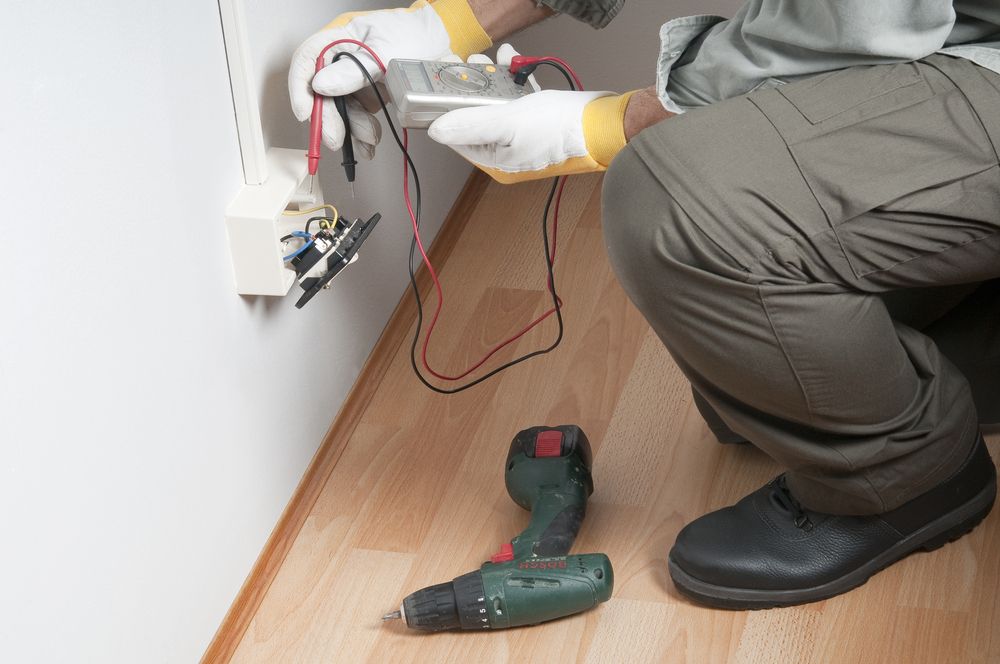
What To Expect During An Electrical Safety Inspection In Lismore
Electrical systems are an essential part of any home, yet they often operate quietly in the background until something goes wrong. Over time, wiring, switchboards, and electrical fixtures can be affected by age, wear, environmental factors, or changes in how a property is used. These gradual changes aren’t always obvious during everyday living, which is why electrical safety inspections play such an important role.
An
electrical safety inspection provides a structured way to assess how safely a home’s electrical system is operating at a given point in time. For homeowners, landlords, and property managers, understanding what happens during an inspection can remove uncertainty and help make informed decisions. Knowing what is checked, why it matters, and what happens afterwards makes the process feel far more approachable and practical.
Why Electrical Safety Inspections Matter For Everyday Homes
Electrical safety inspections are designed to identify potential safety concerns before they develop into larger issues. Many electrical problems begin slowly, such as connections loosening or insulation wearing down, and may not cause immediate faults. Without an inspection, these changes can go unnoticed for long periods.
Inspections help confirm whether a home’s electrical system is suitable for current usage patterns. Modern households often rely on multiple appliances, electronics, and charging devices, placing greater demand on systems that may not have been designed for this level of use. By reviewing the condition and configuration of electrical components, electricians can highlight areas that may need monitoring or adjustment. For homeowners, this process provides clarity and reassurance, supporting safer day-to-day use of electricity throughout the home.
What happens before an electrical safety inspection begins
Before an electrical safety inspection gets underway, electricians gather information that helps guide the assessment. This preparation stage ensures the inspection is thorough and relevant to the property.
- Reviewing the age of the home and known electrical upgrades
- Discussing any recurring electrical issues or unusual behaviour
- Ensuring clear access to switchboards, fittings, and outlets
Homeowners may be asked about frequent tripping, flickering lights, or recent renovations. These details help electricians focus their attention on areas that may require closer inspection. Preparing in this way allows the inspection to proceed efficiently while covering the most relevant parts of the electrical system.
Inspecting switchboards, wiring, and safety devices
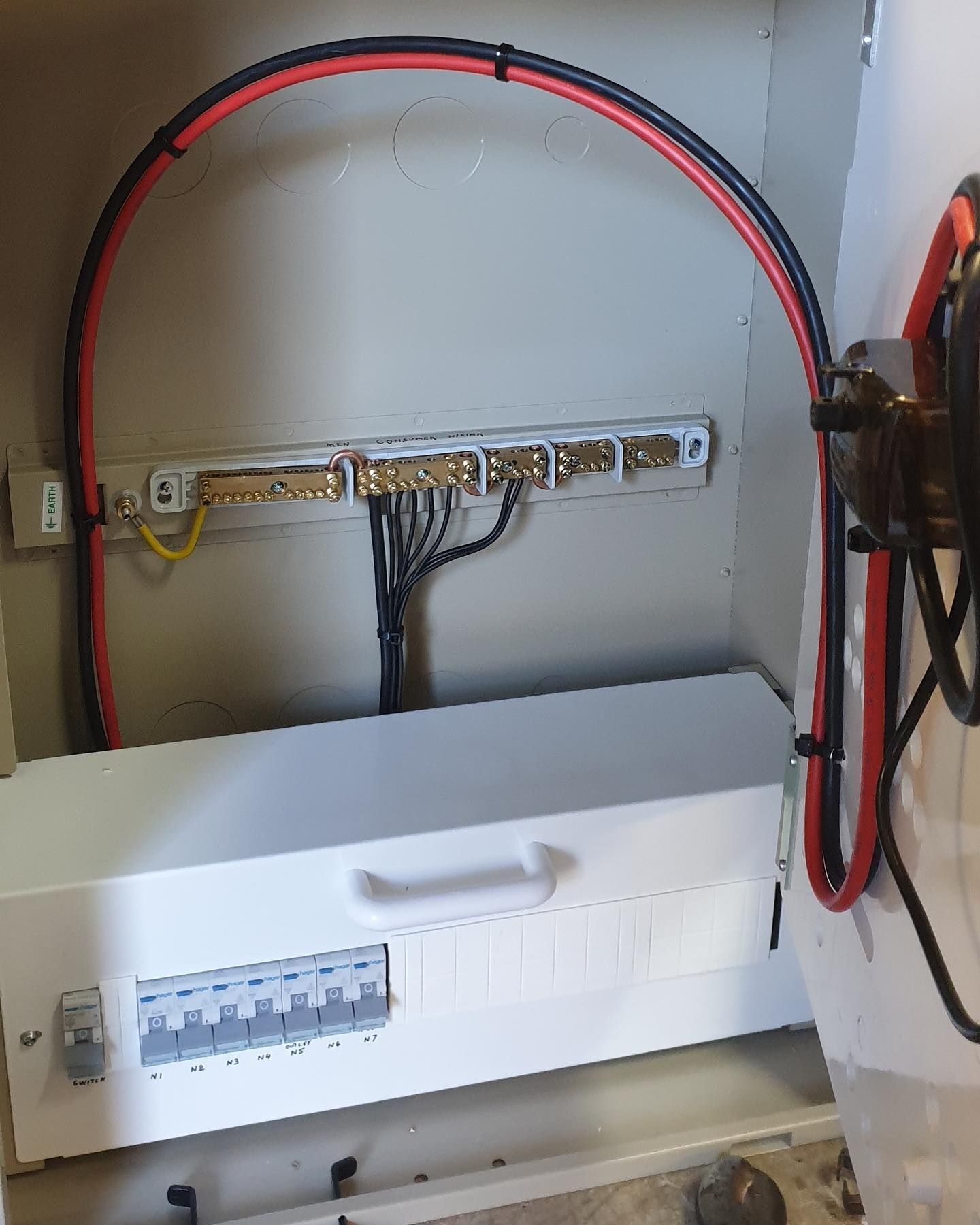
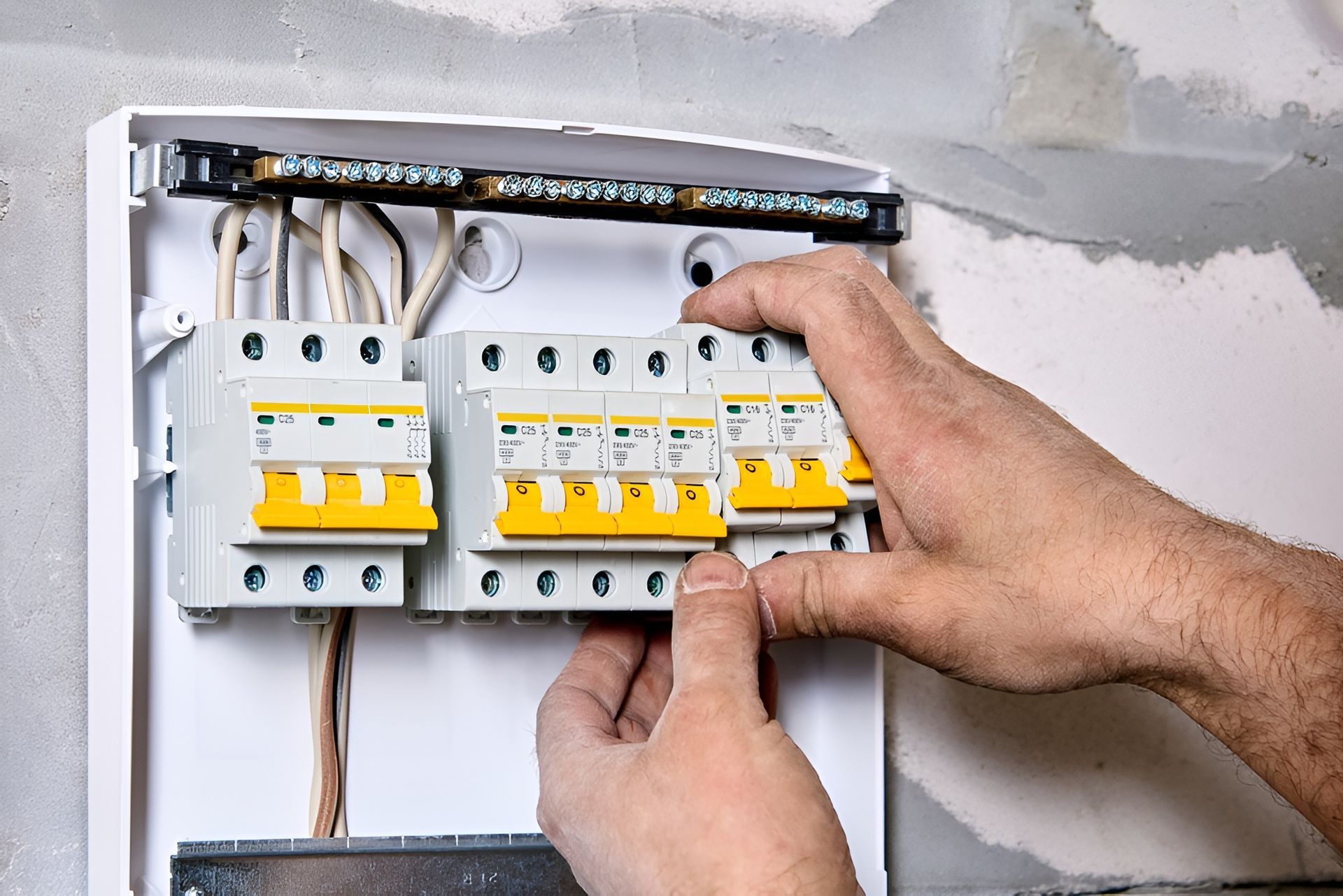
Switchboards and wiring are central to how electricity is distributed throughout a home, making them a major focus during safety inspections. Electricians assess whether circuit protection devices and safety switches are installed and functioning correctly. These components are designed to interrupt power in certain fault conditions, helping reduce safety risks.
Wiring is also examined for signs of deterioration, damage, or unsuitable materials. Over time, insulation can break down and connections can loosen, particularly in areas exposed to heat or moisture. Older wiring types may also be reviewed to ensure they remain appropriate for current usage. This part of the inspection helps build a clear picture of how safely electricity flows through the home and whether protective measures are working as intended.
Checking power points, lighting, and fixed appliances
Frequently used electrical fixtures are closely examined during inspections, as they are often where early signs of issues appear. Power points, switches, lighting, and fixed appliances are checked for safe operation.
- Inspecting power points for looseness, damage, or discolouration
- Checking switches and light fittings for wear or heat-related issues
- Reviewing fixed appliances connected directly to the electrical system
Because these components are used daily, even minor issues can gradually worsen over time. Identifying concerns early supports safer use and helps reduce the likelihood of unexpected faults developing in commonly used areas of the home.
How older electrical systems are assessed for safety
Older electrical systems often require a more detailed review during inspections, particularly if the home has not been updated for some time. These systems may have been designed for lower electrical demand and fewer appliances than are common today.
Electricians assess whether existing components are still suitable for current use, rather than assuming immediate replacement is required. This includes reviewing switchboards, wiring materials, and safety devices to see how they are performing now. The goal is to understand whether the system is coping safely with modern usage. For homeowners, this assessment provides valuable insight into how an older system is functioning and whether changes could help support ongoing electrical safety.
Identifying common electrical issues during inspections
Electrical safety inspections often uncover issues that may not yet be causing noticeable problems but could affect safety over time.
- Loose connections that may lead to overheating
- Missing or outdated safety switches
- Circuits carrying higher loads than originally intended
These findings help homeowners understand where attention may be needed, even if everything appears to be working normally. Addressing potential concerns early allows for better planning and helps reduce the chance of faults developing unexpectedly. Inspections provide a proactive way to manage electrical safety rather than responding only when issues arise.
What happens after the inspection is completed
Once the inspection has been completed, electricians explain their findings in clear, practical terms. Homeowners are typically provided with an overview of what was checked and how the system is performing overall.
This feedback may include identifying areas that are operating as expected, along with components that could benefit from further attention. Rather than creating pressure to act immediately, the focus is on providing information that supports informed decision-making. This transparent approach helps homeowners feel confident about the condition of their electrical system and understand any recommended next steps.
When and how often electrical safety inspections are recommended
Electrical safety inspections are commonly recommended at certain times or when circumstances change.
- When purchasing or selling a property
- Before or after renovations or electrical upgrades
- If a home has an ageing electrical system
They can also be helpful if electrical usage increases or unexplained issues occur. Electricians can help determine suitable inspection intervals based on the property’s age, history, and usage. Regular inspections support ongoing awareness of electrical safety and help track changes in system condition over time.
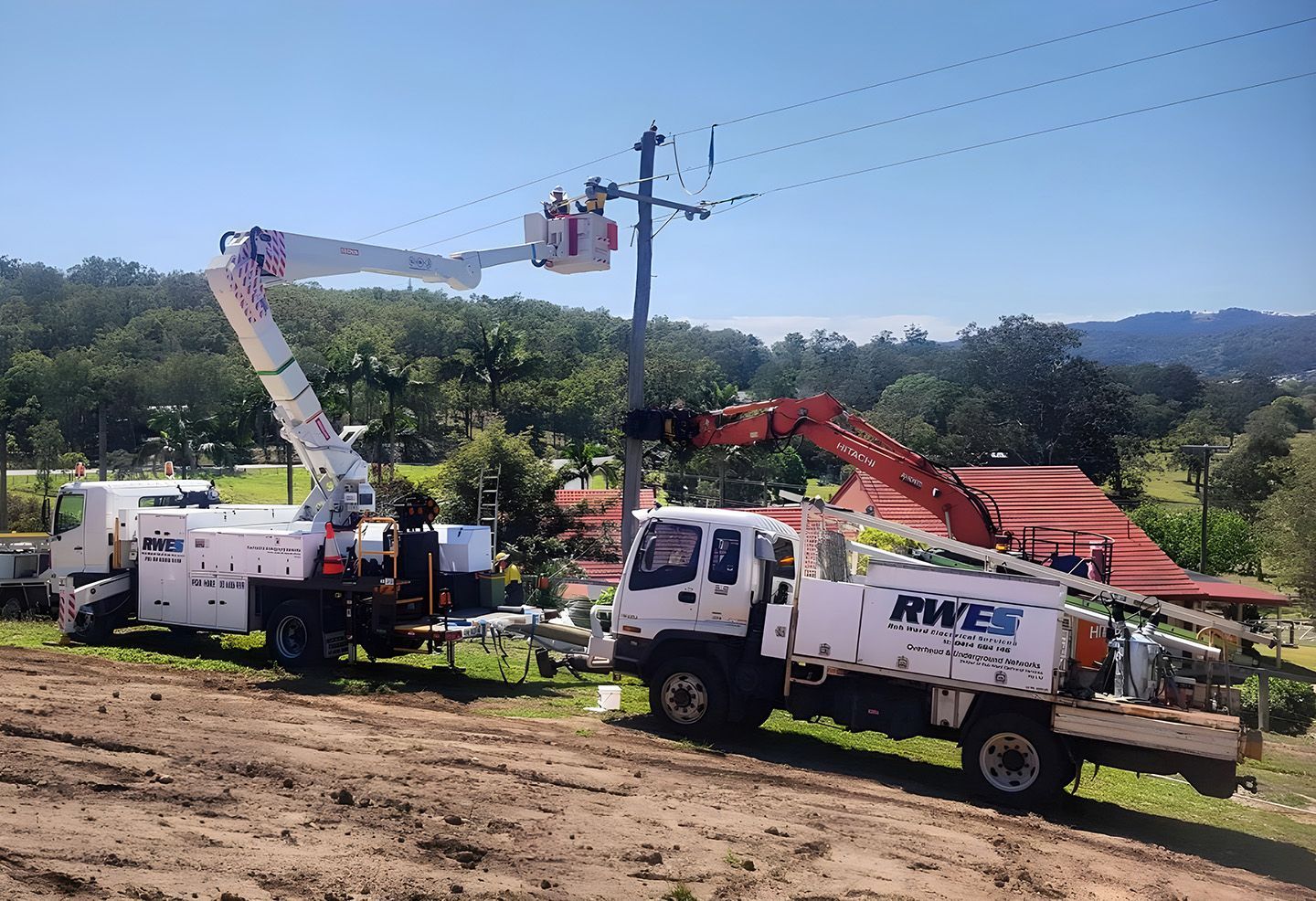
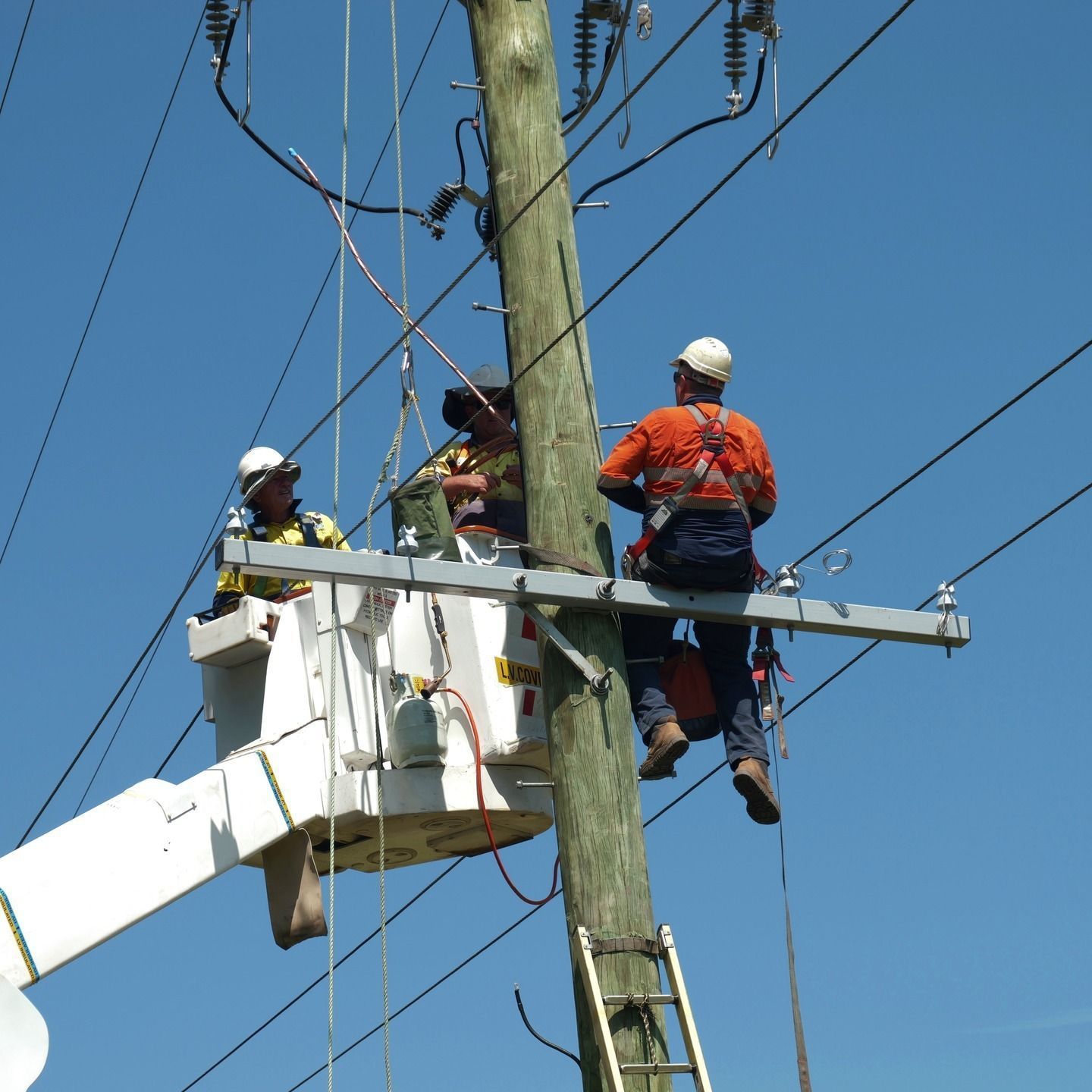
We at
Rob Ward Electrical Services
help homeowners, landlords, and property managers understand the condition of their electrical systems through clear, practical safety inspections. If you’re managing an older property, planning renovations, or seeking reassurance about electrical safety, our team can guide you through the inspection process. Visit
https://www.rwes.com.au/locations/electrician-lismore to
get in touch, arrange an inspection, or speak with an electrician in Lismore about electrical safety considerations specific to Lismore properties.