How To Prepare For Power Outages In The Northern Rivers
Losing power without warning has a way of stopping a household in its tracks. The fridge goes quiet, the lights cut out, and within minutes you're hunting for a torch and trying to work out whether this is a five-minute blip or something that will stretch into the evening. Homeowners across the Northern Rivers — including Ballina, Byron Bay, Lismore and Tweed Heads — deal with this more than most, and for good reason. The region sits in the path of some of Australia's most active storm corridors, and its mix of coastal, hinterland and low-lying flood-prone land makes electrical infrastructure particularly vulnerable. Understanding what causes outages, how to respond safely and when to stop troubleshooting and pick up the phone can save time, money and in some cases genuine risk to your home.
Why the Northern Rivers Experiences More Outages Than Most
Geography and climate play a significant role in how often and how severely power is disrupted across this part of the country. The combination of subtropical storms, heavy rainfall and ageing rural infrastructure means that residents here are more exposed to grid faults than those in major metro areas.
A few factors that consistently contribute to the problem include:
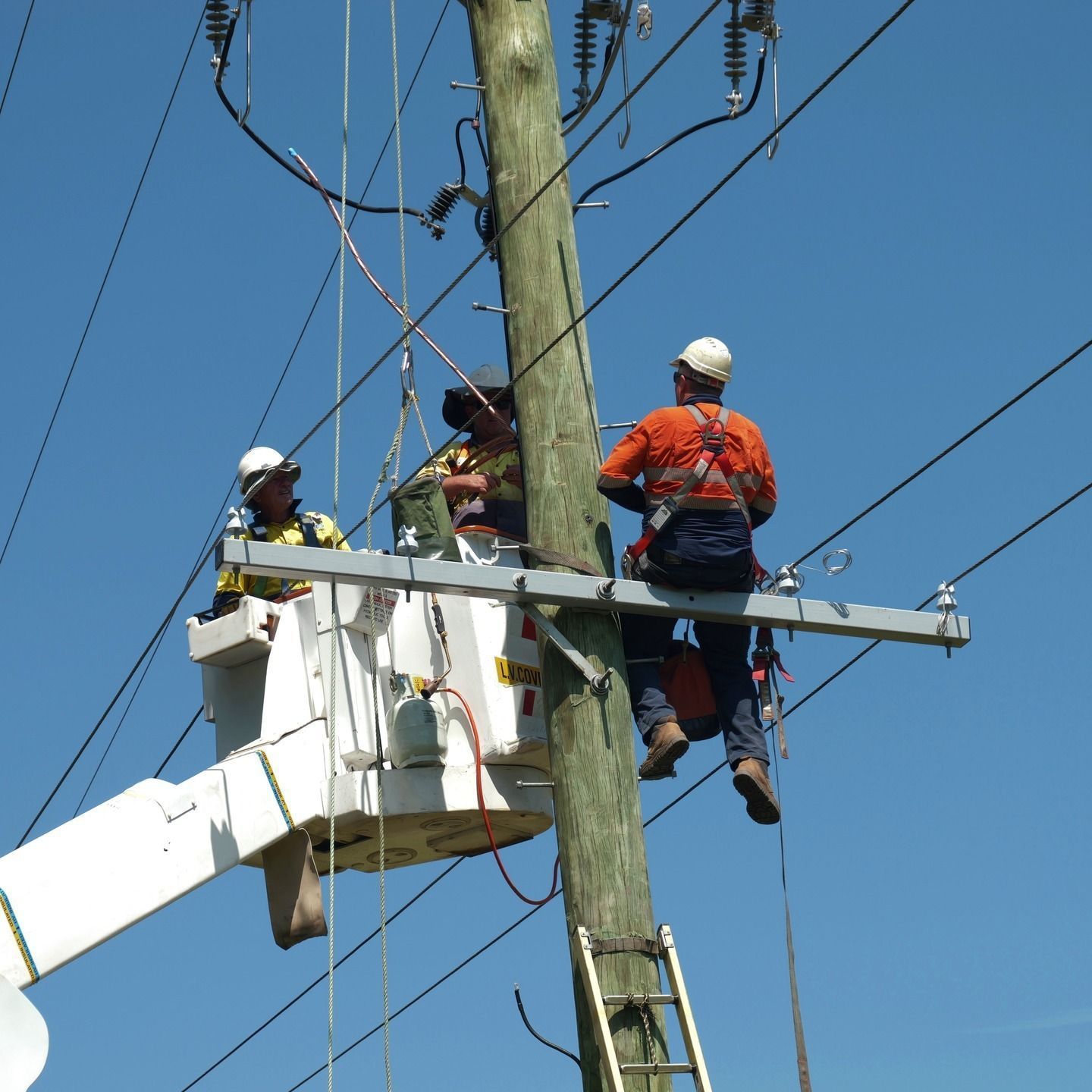
- Severe storm cells that bring down powerlines, snap poles and damage substation equipment
- Flooding that saturates underground cabling and compromises low-lying switchgear
- Heat events that push grid demand beyond comfortable operating limits
- Vegetation contact with powerlines in densely wooded rural and hinterland areas
Knowing the likely cause of an outage helps you decide what to do next — and whether the problem is something the network will fix on its own or something that starts at your switchboard.
What to Do Immediately After the Power Goes Out
The first few minutes after an outage are when most mistakes happen. People start resetting switches without checking what tripped them, or leave every appliance running and wonder why the power keeps dropping when supply is restored.
A calm, methodical approach makes a real difference. Start here:
- Check whether neighbours on your street still have power — if they do, the fault is almost certainly within your property
- Switch off or unplug major appliances to prevent damage from a voltage surge when supply returns
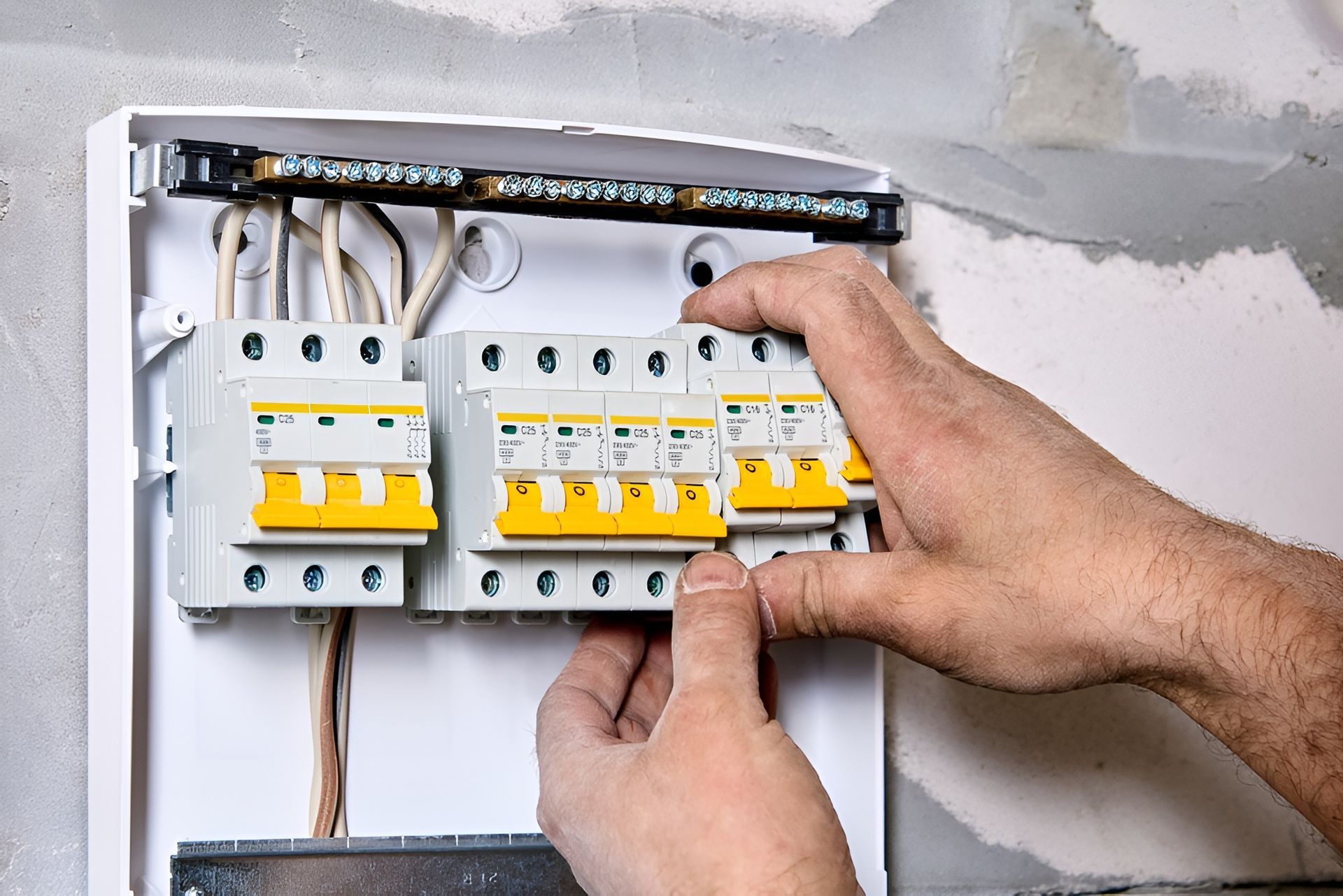
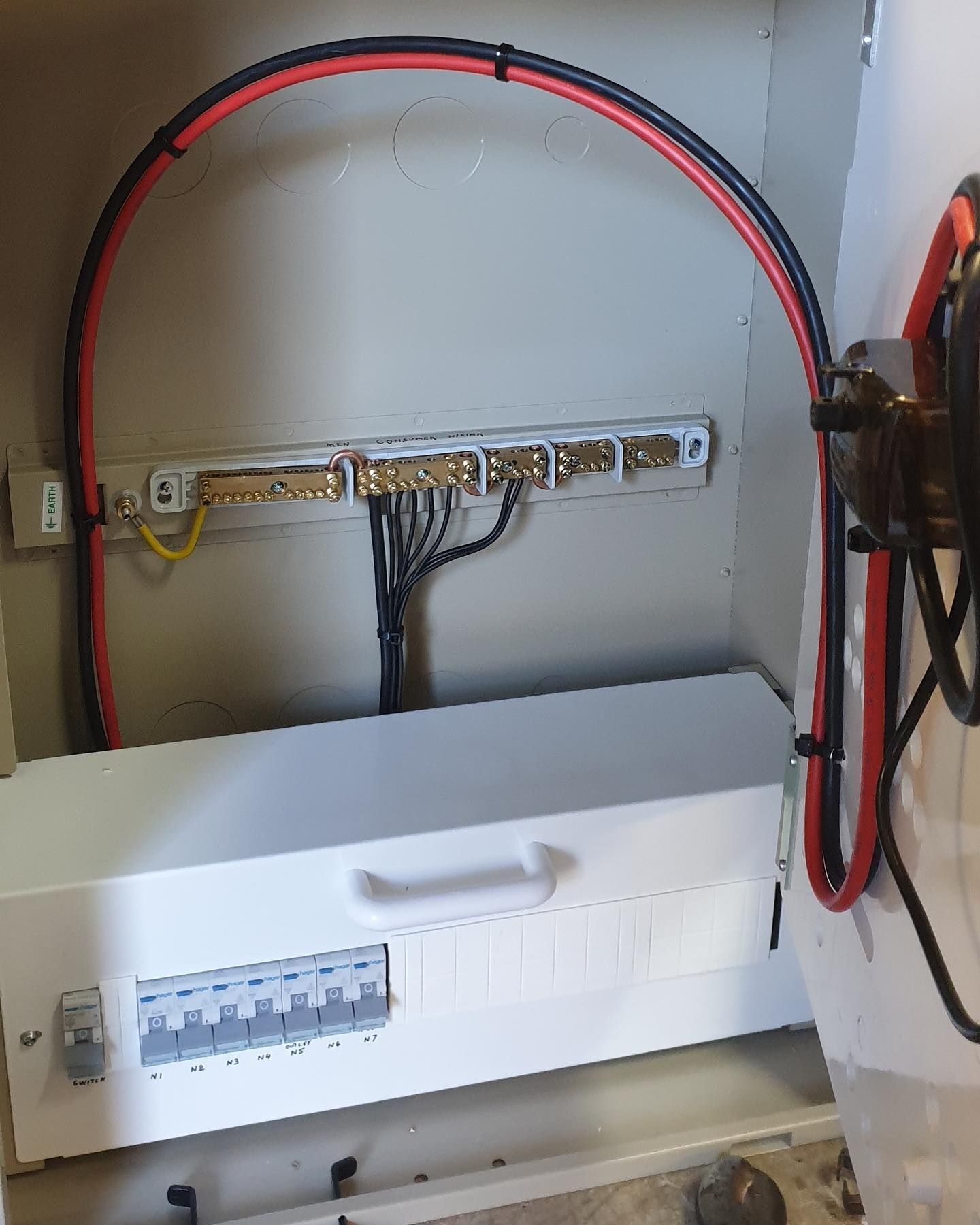
- Check your switchboard for any tripped circuit breakers or safety switches
- Avoid opening the fridge or freezer to preserve food temperature for as long as possible
If the fault appears to be internal and resetting the switchboard doesn't hold, that is the point to call a licensed electrician rather than continuing to investigate.
Reading Your Switchboard Without Making Things Worse
Most homeowners have a vague idea of where their switchboard is but have never really looked at it closely. Understanding what you're looking at before an outage happens means you're not learning on the fly in the dark. An electrician in Ballina will give you the same advice as one in any other part of the country on this point.
The key things to know:
- Circuit breakers sit in a middle position when tripped — switch fully off before resetting to the on position
- Safety switches have a test button and a reset button — if the reset doesn't hold, something on that circuit is still drawing a fault
- If a breaker or switch trips repeatedly after resetting, stop and call a professional
- Never tape, wedge or force a switch into the on position under any circumstances
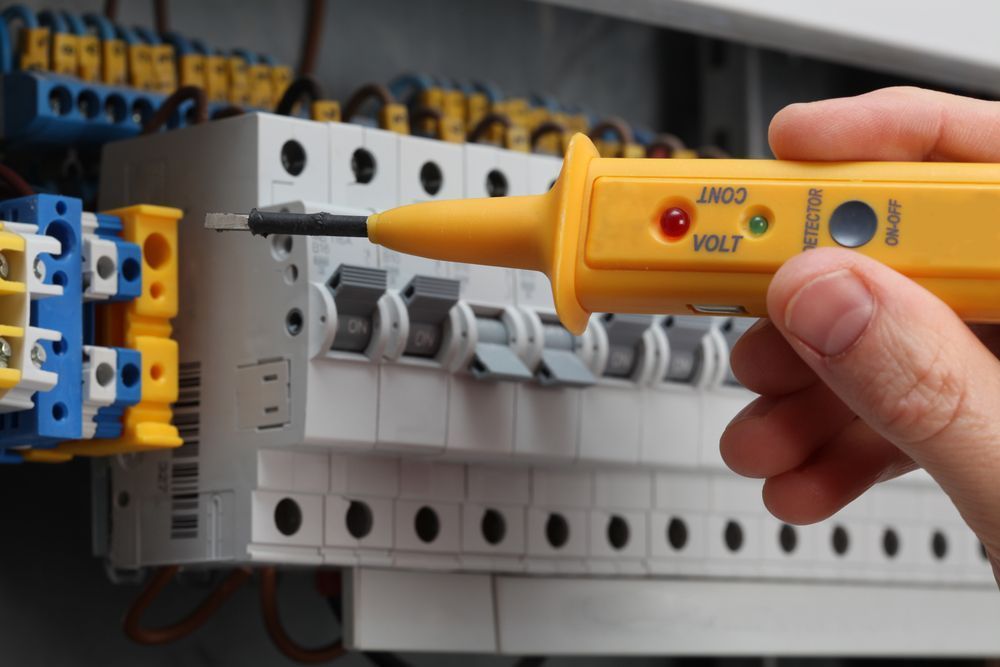
The switchboard is a diagnostic tool as much as it is a control panel. What it's doing during a fault tells a licensed electrician a great deal about what is wrong.
Signs That the Outage Is Pointing to a Bigger Problem
Some outages are clean grid faults that resolve themselves once supply is restored. Others are the moment a longer-running electrical issue finally becomes visible. An electrician in Byron Bay or an electrician in Lismore will often find that what a homeowner describes as a sudden outage has actually been building for some time.
Watch for these warning signs before and after an outage:
- A burning smell near the switchboard, power points or appliances — even a faint one
- Outlets or switches that feel warm or show discolouration around the edges
- Lights that flicker intermittently, particularly on one circuit
- Any visible damage to wiring, whether from age, pests or physical impact
These signs don't get better on their own. If any of them appear alongside or after an outage, the right call is a professional inspection before the home is used as normal.
Flood-Affected Properties and Electrical Safety
Few things in this region carry as much risk as a home that has been through floodwater and then had its power turned back on without proper assessment. The Northern Rivers has experienced major flood events in recent years, and the electrical consequences can be serious and invisible to the untrained eye.
An electrician in Tweed Heads or anywhere else in a flood-affected area would insist on the same precautions:
- Do not restore power at the switchboard in any home that has taken on floodwater, even if it appears dry now
- Moisture trapped in wiring, switchboards and fittings can cause faults days or weeks after the water has receded
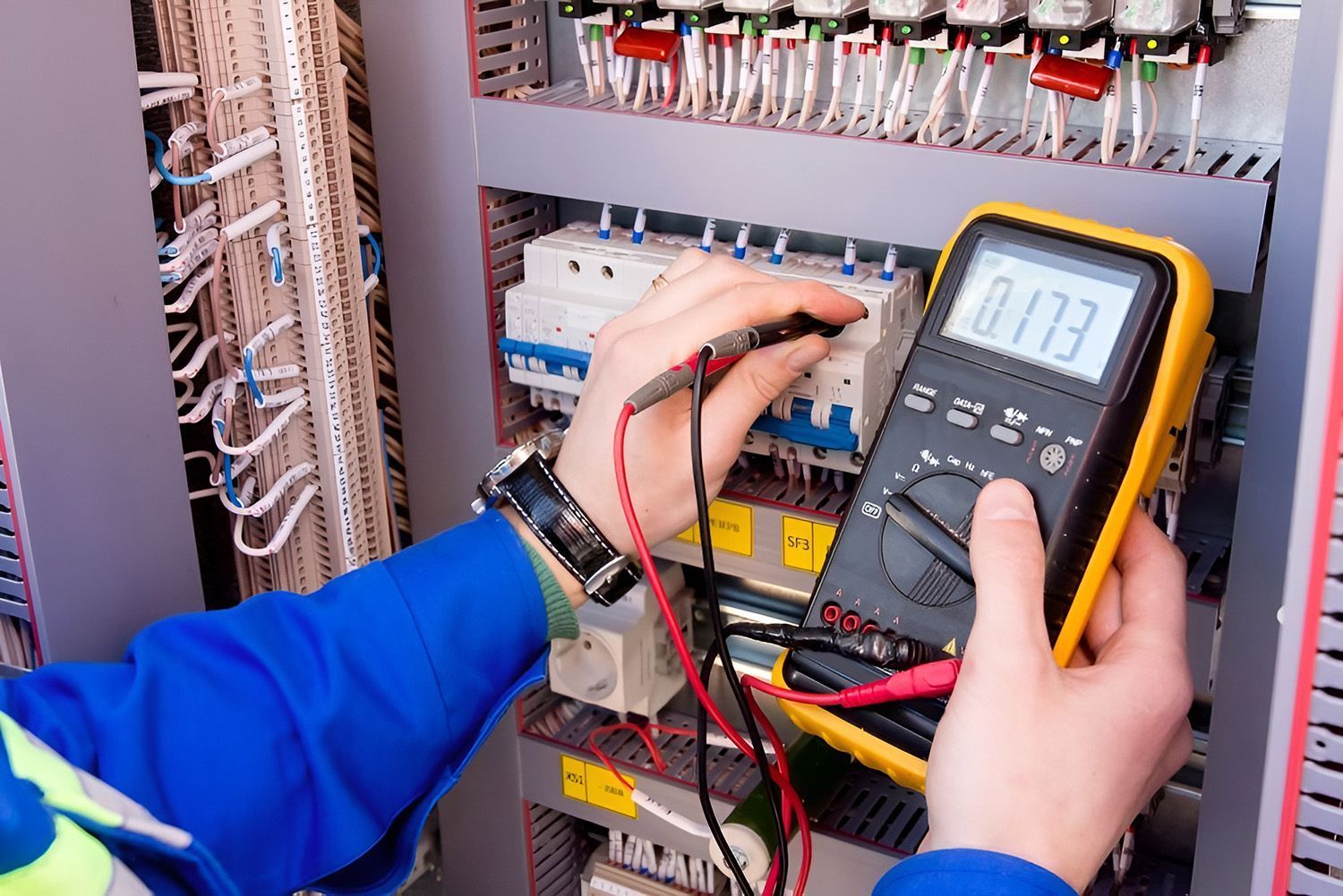
- All circuits in an affected property need to be tested and cleared by a licensed electrician before reinstatement
- Power points, light fittings and appliances at low heights may need full replacement regardless of how they look
This is one area where erring on the side of caution is not overcaution — it is simply the correct response to a genuine risk.
Building Outage Resilience Before the Next Storm Season
The most effective time to prepare for a power outage is before one happens. There are practical, affordable steps every homeowner can take to reduce both the risk and the disruption of losing supply.
These are worth working through before storm season arrives each year:
- Confirm that safety switches are installed on all circuits — older homes frequently have gaps in coverage
- Keep a torch, portable battery bank and battery-powered or hand-crank radio somewhere accessible
- Save your energy provider's outage line in your phone so you're not searching for it in the dark
- Have your switchboard labelled clearly so circuits can be identified quickly
- Book a periodic electrical safety inspection, particularly if your home is more than 20 years old
A licensed electrician can work through all of these in a single visit and flag anything that needs attention before it becomes a problem.
How Solar Battery Storage Changes the Equation
For homeowners who have been through repeated outages, battery storage is increasingly moving from a nice-to-have to a practical solution. A solar battery system stores the energy your panels generate during the day and makes it available when the grid goes down — provided the system is set up with the right capability.
There are a few important things to understand before investing:
- Standard grid-connected solar systems shut down during an outage for safety reasons — battery backup requires a system with islanding or off-grid capability
- Battery capacity determines how much of your home you can run and for how long during an outage
- Most households prioritise essential circuits — lighting, refrigeration, phone charging and medical equipment
- Installation must be carried out by a licensed electrician and, where required, a Clean Energy Council accredited installer
For homes in areas that lose power regularly, the case for battery storage is straightforward. It doesn't eliminate outages, but it does mean they stop dictating how your household functions.
The Hidden Risk in Older Homes
Homes built before the early 1990s were designed for a very different set of electrical demands, and many haven't had their systems meaningfully updated since. An outage in an older home can expose weaknesses that have been quietly accumulating for years — particularly if the property has been through renovation work that added load without upgrading the underlying infrastructure.
Common issues found in older homes include:
- Rewireable fuse systems that offer far less protection than modern circuit breakers
- Degraded wiring insulation that becomes a fire risk under load
- No safety switches on some or all circuits, which is now a standard requirement
- Switchboard capacity that was adequate for the 1980s but is not suited to today's appliance loads
If outages in your home are becoming more frequent or the switchboard is behaving inconsistently, an inspection by a licensed electrician is a more useful next step than continuing to reset fuses.
Let Us Help You Get Your Home Ready
We at Rob Ward Electrical Services work with homeowners across Ballina, Byron Bay, Lismore and Tweed Heads to sort out exactly these kinds of situations — whether that is a post-outage inspection, a switchboard assessment, a safety switch installation or advice on solar battery storage. The Northern Rivers throws a lot at residential electrical systems, and having the right setup in place makes a genuine difference when the next storm rolls through. Give us a call or get in touch online to book a time that works for you.