Common Causes of Tripping Circuit Breakers
Circuit breakers are designed to protect electrical systems, but when they start tripping frequently, it usually means something is not functioning as it should. Many property owners notice the issue but are unsure whether it is a minor inconvenience or a sign of a more serious electrical fault. Understanding what trips a circuit breaker is the first step in identifying the cause and preventing further issues.
Frequent breaker trips are often linked to underlying electrical problems that require proper diagnosis by professional electricians Byron Bay residents trust. Ignoring these signs can lead to safety risks, damage to appliances and ongoing disruptions to daily use.
Overloaded Circuits Are One Of The Most Common Causes
One of the most frequent reasons a circuit breaker keeps tripping is an overloaded circuit. This happens when too many electrical devices are drawing power from the same circuit at the same time.
Common scenarios include:
- Multiple appliances running on one outlet or circuit
- High-power devices like heaters or air conditioners used together
- Older properties with limited circuit capacity
- Power boards overloaded with multiple devices
When the electrical demand exceeds the circuit’s capacity, the breaker trips to prevent overheating and potential fire hazards. While this can sometimes be resolved by redistributing appliances, repeated overloads may indicate the need for circuit upgrades.
Short Circuits Can Cause Immediate Shutdowns
A short circuit occurs when an active wire comes into contact with a neutral wire. This creates a sudden surge of current, which causes the breaker to trip instantly.
Signs of a short circuit may include:
- Breaker tripping immediately after resetting
- Burning smells or discolouration around outlets
- Visible sparks when plugging in appliances
- Damage to wiring or connections
Short circuits are more serious than simple overloads and should not be ignored. They can lead to damaged wiring and increase the risk of electrical fires if left unresolved.
Ground Faults & Electrical Leakage
Ground faults are similar to short circuits but occur when electricity flows to the ground instead of following its intended path. This can happen when wiring is damaged or exposed to moisture.
Common causes include:
- Faulty appliances with damaged insulation
- Water exposure in kitchens, bathrooms or outdoor areas
- Worn or deteriorated wiring
- Improper electrical installations
Ground faults are particularly dangerous because they can increase the risk of electric shock. Circuit breakers and safety switches are designed to detect these faults and shut off power quickly to protect occupants.
Faulty Appliances Can Trigger Repeated Trips
Sometimes the issue is not with the electrical system itself but with an appliance connected to it. Faulty or ageing appliances can draw irregular currents or create internal faults that cause breakers to trip.
Common indicators include:
- Breaker trips only when a specific appliance is used
- Appliance overheating or making unusual noises
- Intermittent power loss when using certain equipment
- Older appliances with worn internal components
Testing appliances individually can help identify whether they are contributing to the issue. If a particular device repeatedly causes the breaker to trip, it may need repair or replacement.
Ageing Electrical Systems & Outdated Wiring
Older homes and buildings often have electrical systems that were not designed to handle modern power demands. Over time, wiring can also deteriorate, increasing the likelihood of faults.
Issues linked to ageing systems include:
- Insufficient circuits for modern appliances
- Worn insulation around wiring
- Outdated switchboards or breakers
- Loose or corroded connections
Electricians in Byron Bay can upgrade an older system can significantly reducing the risk of frequent tripping while improving overall safety and performance.
Environmental Factors & External Conditions
Environmental conditions can also play a role in why a circuit breaker keeps tripping. Moisture, heat and external damage can all affect electrical components.
Examples include:
- Water ingress during heavy rain or storms
- High humidity affecting connections
- Pest damage to wiring
- Outdoor circuits exposed to the elements
These factors are often overlooked but can have a significant impact on electrical reliability, especially in coastal or high-humidity areas.
Why Frequent Tripping Should Never Be Ignored
It can be tempting to simply reset the breaker and continue as normal, especially if the issue appears minor. However, repeated tripping is a warning sign that something needs attention.
Potential risks include:
- Increased chance of electrical fires
- Damage to appliances and equipment
- Ongoing power disruptions
- Safety hazards for occupants
Understanding what trips a circuit breaker helps highlight why these issues should be addressed early rather than ignored.
The Importance Of Professional Electrical Diagnosis
While some causes of tripping can be simple, others require a detailed inspection to identify the root problem. Electrical systems are complex, and multiple issues can occur at the same time.
Professional electricians can:
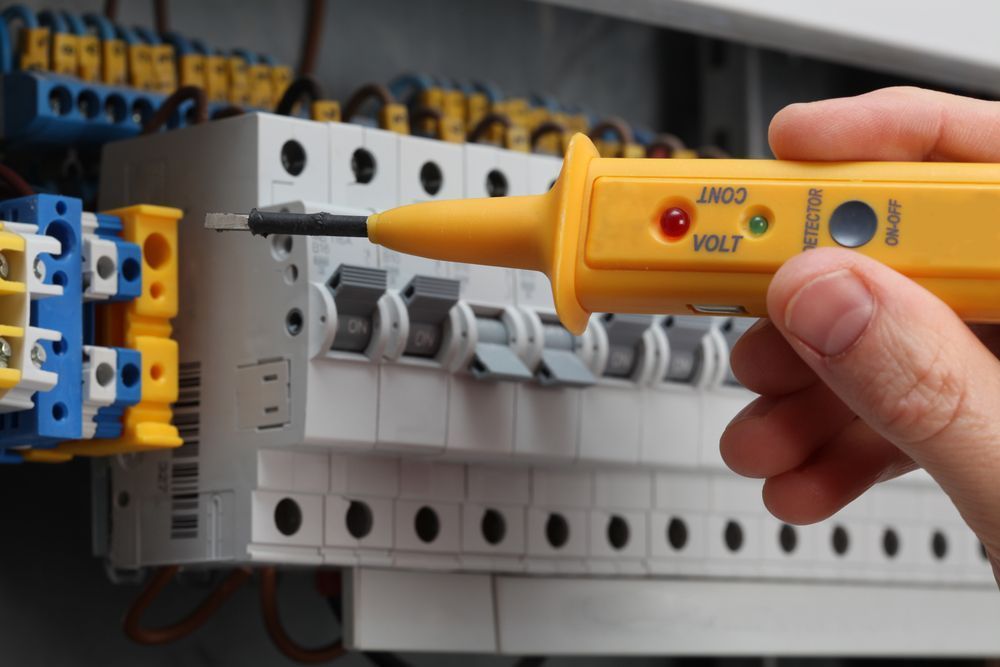
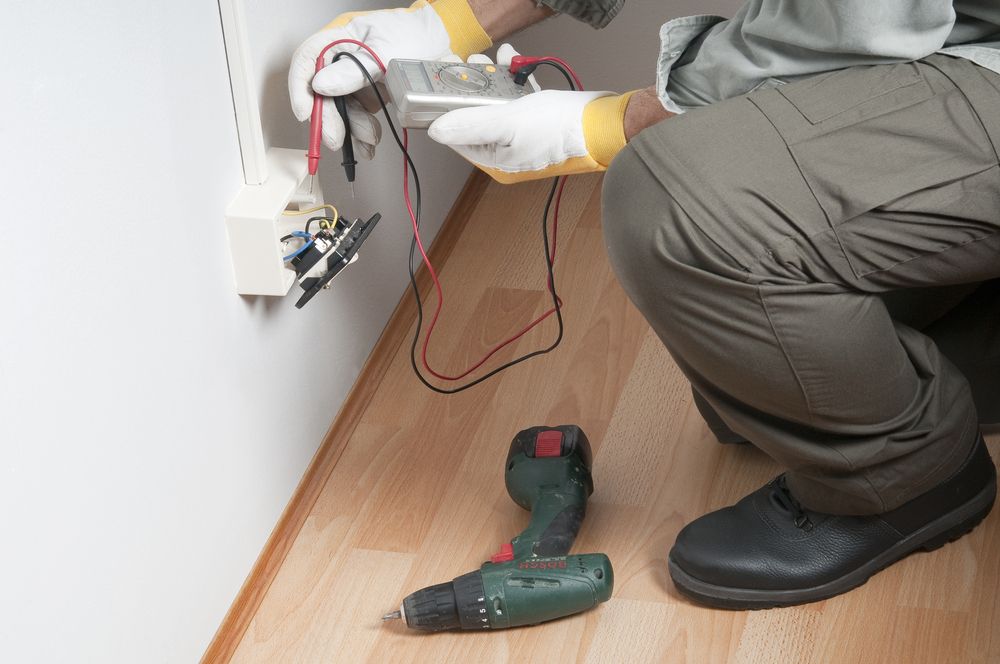
- Test circuits and identify overload points
- Inspect wiring for damage or deterioration
- Check appliances for faults
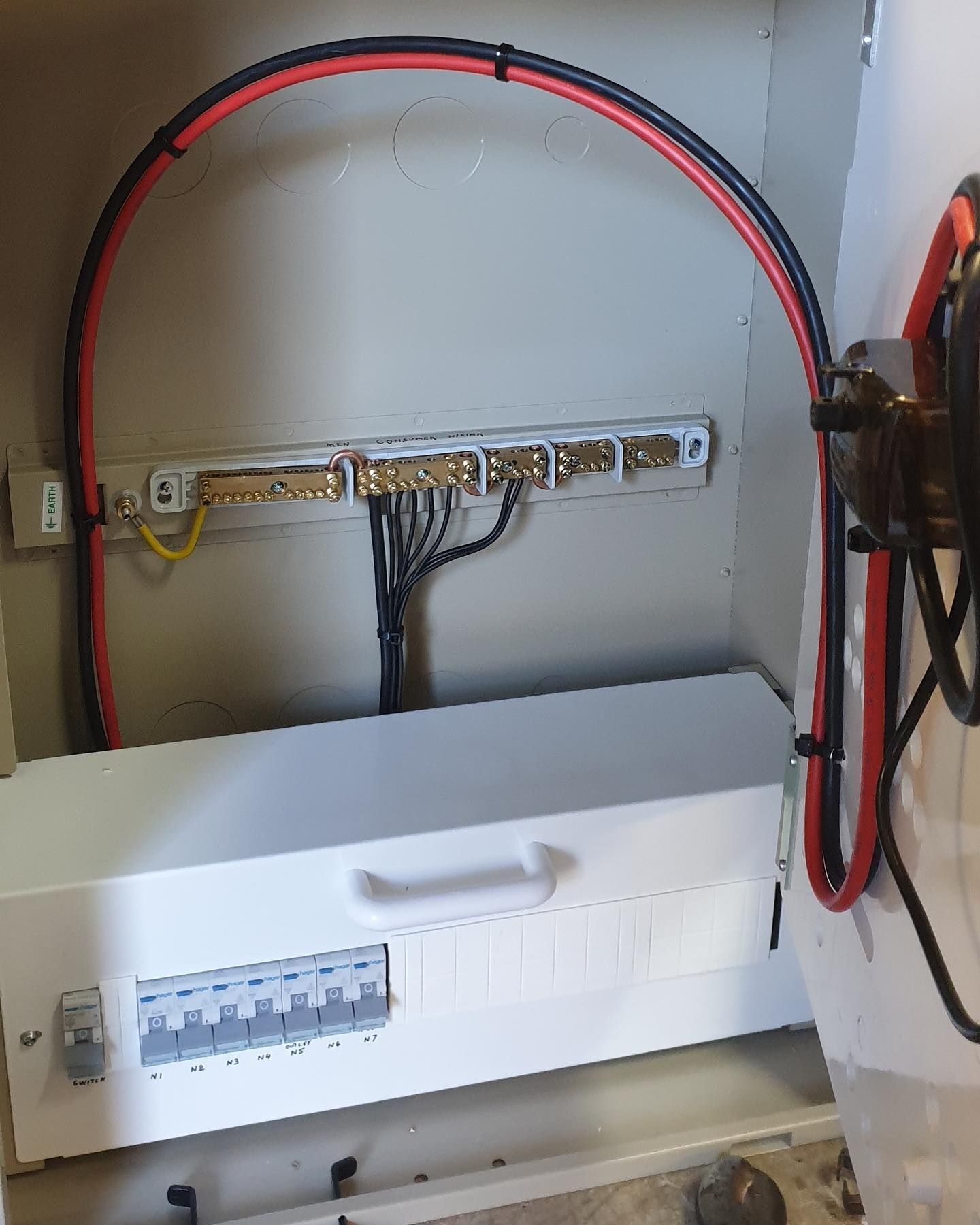
- Assess switchboards and safety systems
- Recommend upgrades or repairs where needed
Working with qualified professionals ensures that the issue is resolved correctly, rather than temporarily managed.
Preventing Circuit Breaker Issues In The Future
Once the cause has been identified and resolved, there are steps property owners can take to reduce the likelihood of future problems.
Preventative measures include:
- Avoiding overloading power points and circuits
- Scheduling regular electrical inspections
- Replacing outdated or faulty appliances
- Ensuring outdoor circuits are properly protected
- Upgrading switchboards where necessary
A proactive approach helps maintain a safe and reliable electrical system over time.
When To Contact A Professional Electrician
If your circuit breaker keeps tripping regularly, it is important to seek professional advice rather than relying on temporary fixes. Even if the issue seems minor, it may indicate a deeper problem within the system.
By working with experienced electricians, Byron Bay residents can ensure electrical systems are properly assessed and maintained. Professional electricians can identify the cause, carry out necessary repairs and help prevent future disruptions.
Keep Your Electrical System Safe And Reliable
Frequent circuit breaker trips are more than just an inconvenience. They are a clear signal that something within your electrical system needs attention. From overloaded circuits to faulty appliances and ageing wiring, understanding the cause helps you take the right action early.
When looking for electricians, Byron Bay homeowners and businesses can rely on Rob Ward Electrical Services, we help identify and resolve electrical issues before they become serious problems. If you have noticed your circuit breaker tripping more often, it may be time to have your system checked by professionals who understand local conditions and requirements.
Taking action early helps protect your property, improve reliability and ensure your electrical system continues to perform safely every day.