Maintaining Your Solar System: Tips To Maximise Lifespan
A well-maintained solar system can deliver reliable energy for years, but it still needs regular checks to stay safe and perform as intended. Keeping panels clear, monitoring system output and arranging professional servicing can help you identify faults early, protect key components and get more value from your solar investment.
Why Regular Maintenance Matters for Your Solar System
Solar systems spend their working life exposed to heat, rain, wind, dust, leaves and wildlife. While quality equipment is designed for outdoor conditions, environmental exposure and normal electrical wear can gradually affect performance. Regular solar panel maintenance gives you an opportunity to identify problems before they develop into more expensive faults. A professional can check the panels themselves as well as the inverter, isolators, cabling, mounting equipment and other electrical components that keep the system operating safely.
Maintenance is particularly important in the Northern Rivers, where storms, heavy rain, vegetation and humid conditions can put additional pressure on outdoor electrical equipment. According to industry best practice, property owners should monitor their system regularly and arrange professional attention when they notice damage, faults or unexpected changes in performance.
How to Maintain Solar Panels: Simple Checks for Property Owners
If you want to know how to maintain solar panels between professional services, start with simple observations rather than attempting electrical work yourself.
Keep an eye on your system's generation through the inverter display or monitoring app, if available. You will naturally see output change with the weather and seasons, but a significant or persistent drop without an obvious explanation can indicate a problem.
You can also visually inspect your panels from a safe position at ground level.
Look for:
- Heavy dirt, leaves or bird droppings across the panels
- Obvious cracks or physical panel damage
- Loose or damaged components you can see without accessing the roof
- New shading from growing trees or nearby vegetation
- Warning lights or fault messages on the solar inverter
- Unexplained changes in electricity usage or grid consumption
Avoid opening electrical enclosures, disconnecting components or climbing onto a roof to investigate a problem. Solar panels can continue producing DC electricity whenever exposed to sunlight, so electrical faults require appropriate training and safety procedures.
Cleaning Your Solar Panels Safely and Effectively
Solar panel cleaning can help when dirt, leaves, bird droppings or other material is obstructing the panel surface. Rain may remove some loose dirt, but it will not necessarily clear stubborn grime or debris. The biggest consideration is safety. Roof access presents a fall risk, and solar equipment introduces electrical hazards that aren't obvious from the ground. Avoid walking across panels or using abrasive tools, harsh chemicals or high-pressure equipment that could damage the modules or their coatings.
For easily accessible systems, follow the panel manufacturer's cleaning instructions. If panels are on a steep, high or difficult-to-access roof, professional cleaning is the safer option. Cleaning also shouldn't become a substitute for proper maintenance. A clean panel can still have an electrical, inverter, mounting or connection problem that affects system performance.
Signs Your Solar System Needs Professional Attention
Your solar system should operate consistently without frequent errors or unexplained interruptions. Arrange an inspection if you notice something outside its normal operating pattern. Common warning signs include recurring inverter error messages, unusually low generation, visible panel damage, damaged cables, water ingress around electrical equipment or a system that repeatedly shuts down. Burning smells, unusual noises or signs of overheating require prompt professional attention.
If your system output has dropped or your inverter is showing warning lights, experienced electricians Lismore property owners rely on can inspect the system and identify the cause. Example: A homeowner notices that their monitoring app shows much lower generation than expected on clear days. The panels look relatively clean from the ground, but a professional inspection identifies a connection fault. Finding the electrical issue early allows it to be addressed rather than assuming the panels simply need cleaning.
What Professional Solar Panel Maintenance Involves
Professional solar panel maintenance goes beyond washing the modules. The aim is to assess the condition, operation and electrical safety of the system as a whole. Depending on the system and its condition, a qualified technician may inspect the panels and mounting hardware, check accessible cabling and connections, review isolators and protective equipment, assess inverter operation and investigate recorded fault codes. They can also compare system behaviour with expected operation to identify signs that something isn't working correctly.
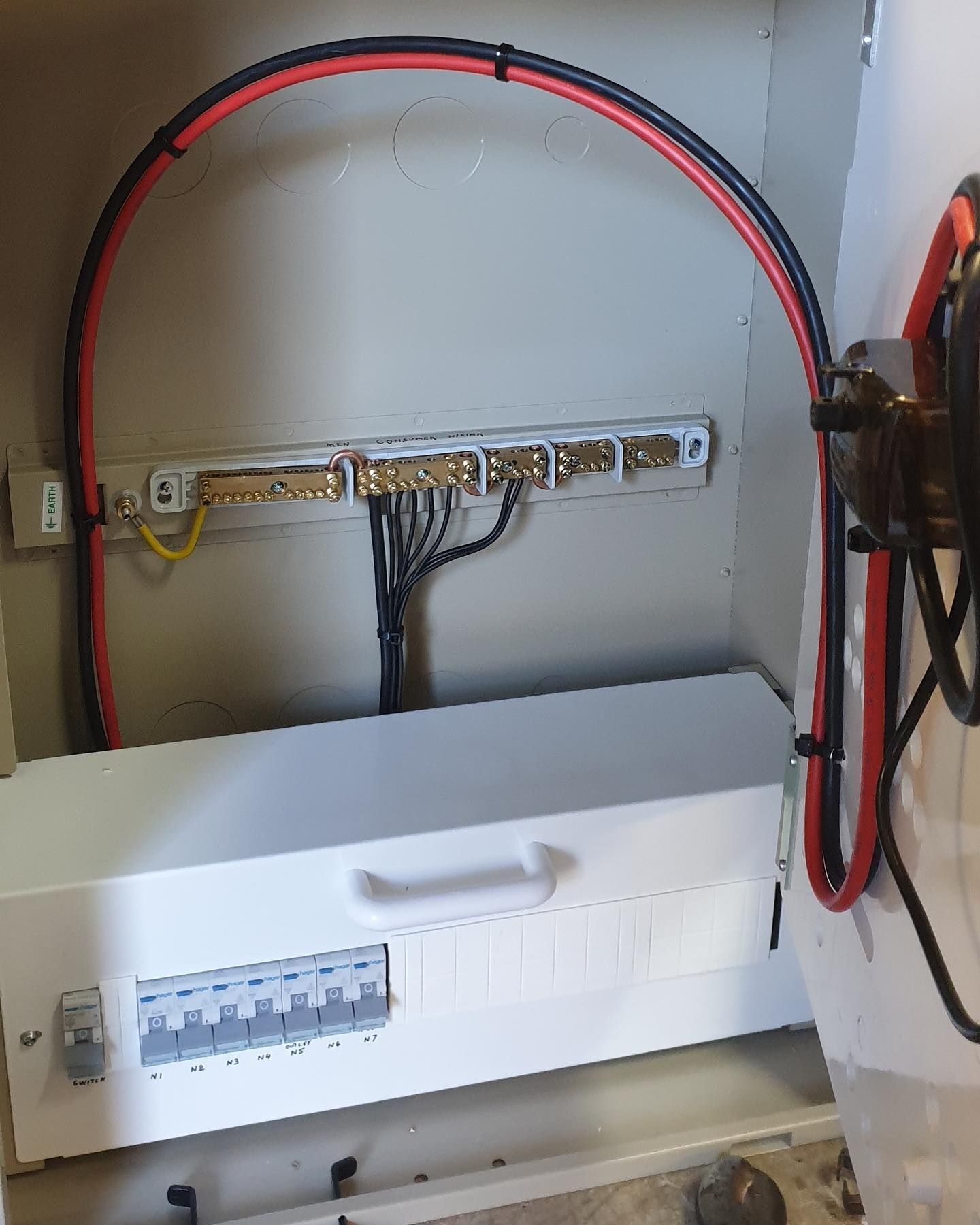
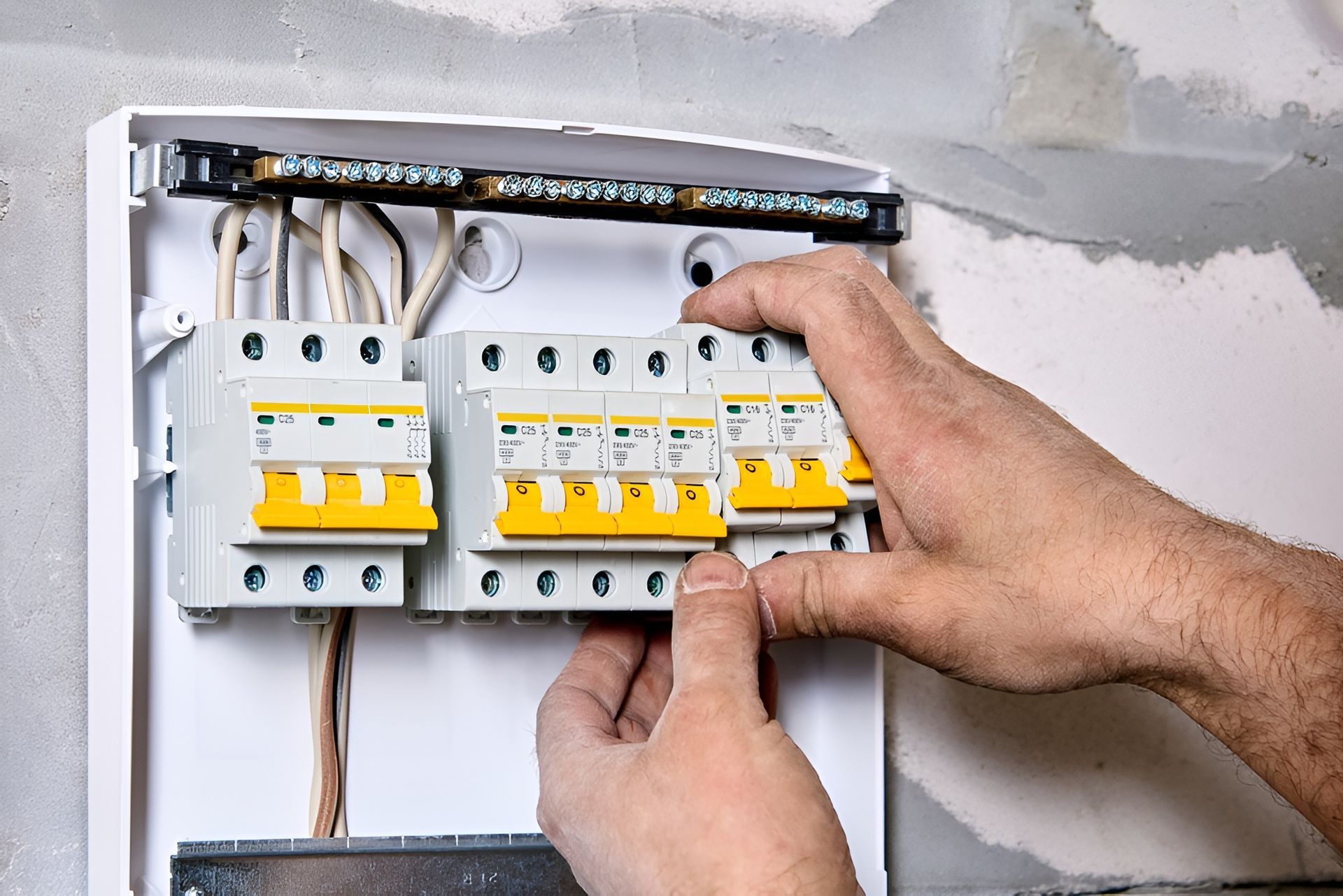
For a grid connect solar system, the inspection should also consider how the solar equipment integrates with the property's broader electrical installation. Combining solar servicing with an electrical safety inspection in Lismore can be a practical way to check your switchboard, wiring and solar connections as part of a broader electrical safety review. For solar-specific installation and servicing work, choosing a suitably licensed electrician and, where relevant to the work being performed, a Solar Accreditation Australia (SAA) accredited installer helps ensure the system is handled by someone familiar with current solar requirements and industry practices.
Looking After Your Inverter, Battery and Electrical Connections
The panels are only one part of your solar system. The solar inverter, battery equipment and electrical connections also need attention if you want the complete system to remain reliable. Your inverter converts the DC electricity generated by the panels into AC electricity your property can use. Keep the area around it clear, maintain appropriate ventilation and check its display or monitoring platform for warning messages. Don't cover the inverter or store items around it in a way that restricts airflow.
If you have a solar battery system, servicing should consider battery health, connections, operating conditions and system settings where applicable. Batteries and their associated equipment should remain unobstructed and installed in accordance with the manufacturer's requirements. Electrical connections also deserve professional attention. Heat, weather exposure, component deterioration or physical damage can create problems that aren't visible during a basic check from the ground.
How Often Should Your Solar System Be Serviced?
There isn't one servicing interval that suits every solar installation. The appropriate schedule depends on the equipment manufacturer, system age, site conditions, installation design and any warranty or maintenance requirements. A property surrounded by trees, exposed to severe weather or operating in demanding conditions may need attention sooner than a relatively sheltered installation. Commercial systems may also warrant a more structured maintenance schedule because system downtime can have a greater operational and financial impact.
Between professional inspections, regularly review your inverter or monitoring data and investigate unexpected changes rather than waiting for the next scheduled service. You should also consider arranging an inspection after severe weather if you suspect the panels, mounting system or electrical components have been damaged. Check the maintenance recommendations supplied by your equipment manufacturers and installer, as these provide the most relevant starting point for your particular system.
Book Solar Servicing With Trusted Electricians in Lismore
Good solar maintenance is about more than keeping panels clean. Monitoring performance, checking the inverter and battery, and having the electrical components professionally inspected can help you catch developing faults early and keep your system operating safely and efficiently over the long term.
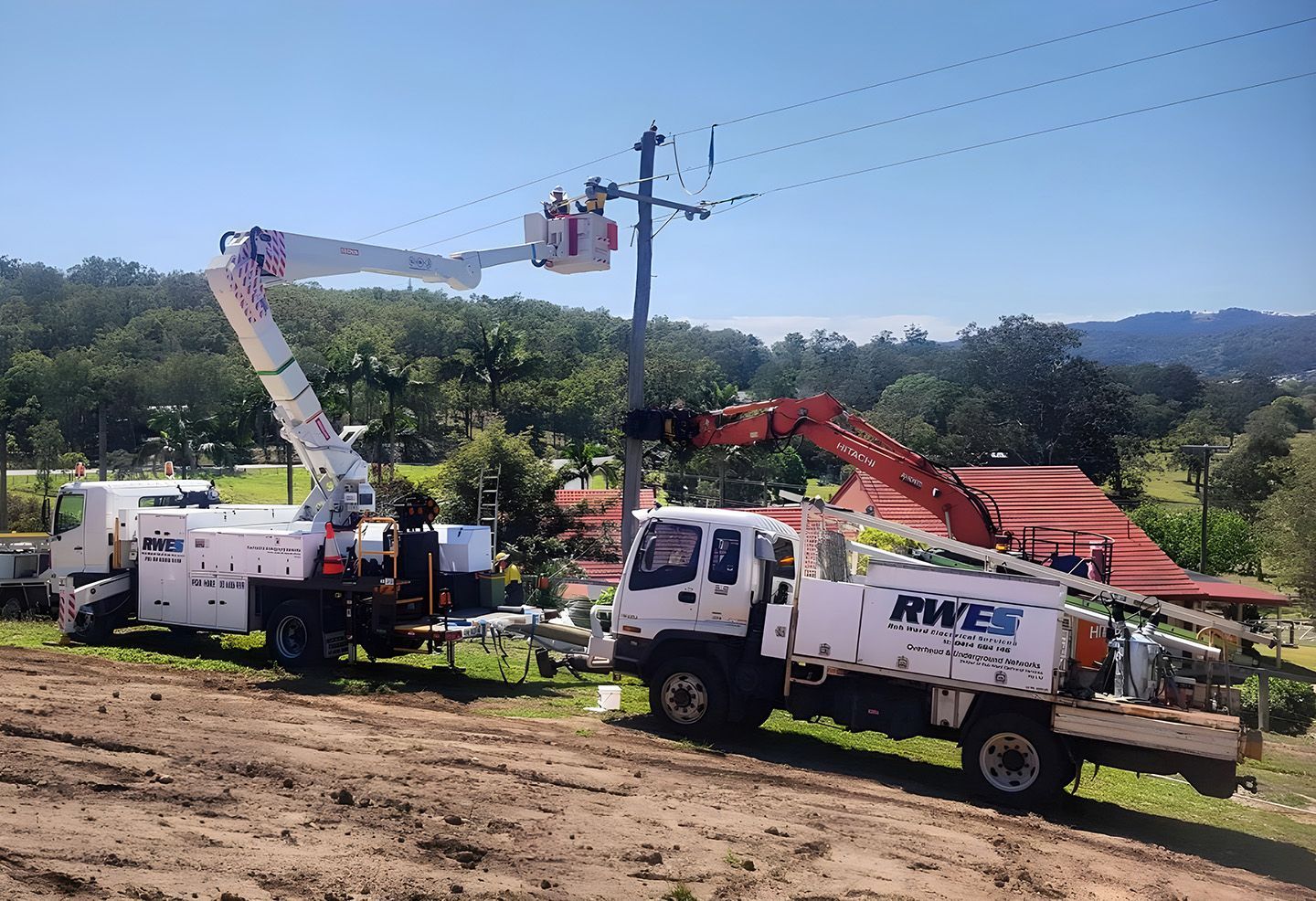
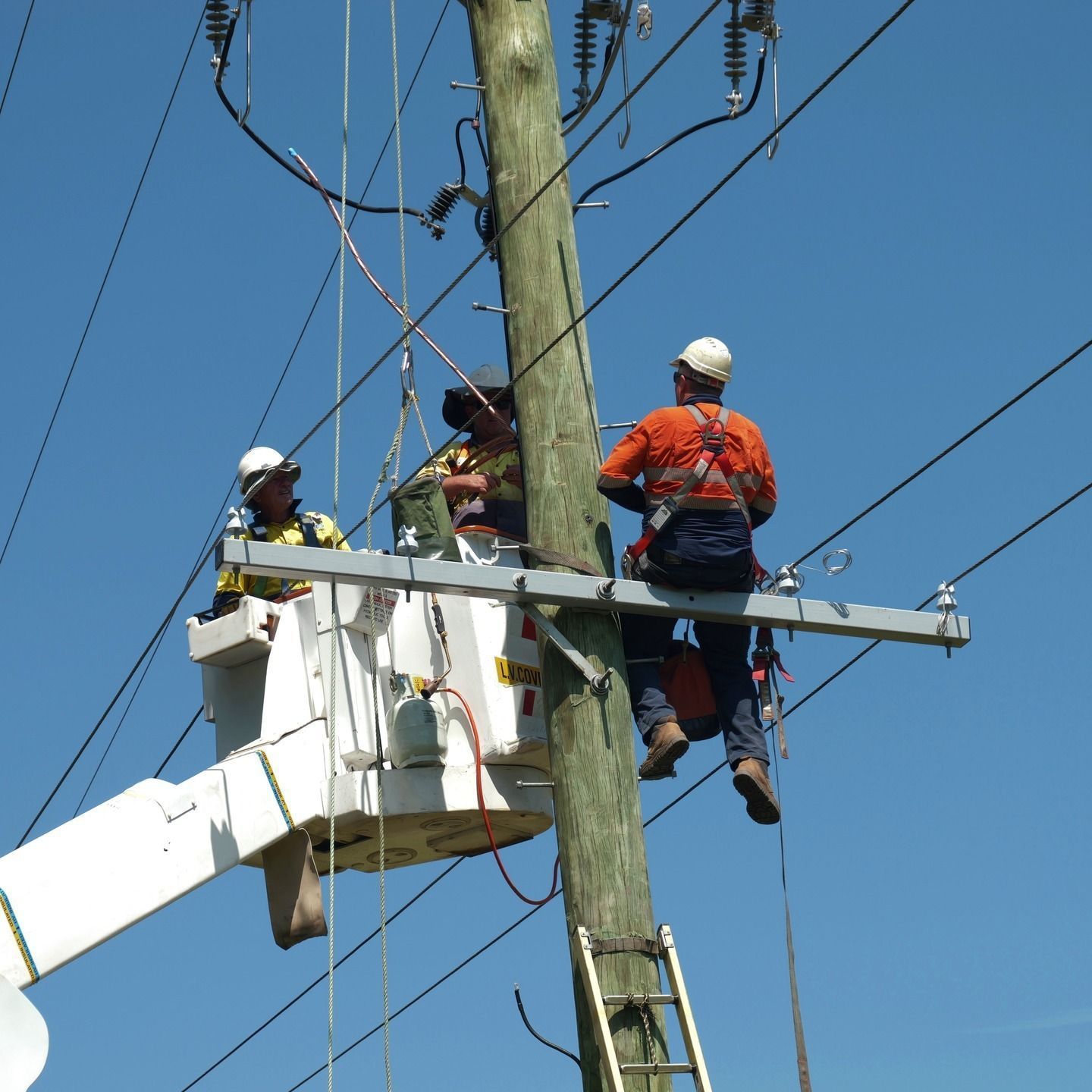
At Rob Ward Electrical Services, we provide solar and electrical services for residential and commercial properties across Lismore and the surrounding Northern Rivers area. If your system is due for attention or you've noticed a change in its performance, contact our team of electricians in Lismore to arrange professional solar servicing and advice for your property.
FAQs About Solar System Maintenance
How do I know if my solar panels need maintenance?
Check your inverter or monitoring system for fault messages and unexpected drops in generation. Visible damage, heavy debris, recurring shutdowns or performance that remains unusually low in suitable weather are also reasons to arrange a professional inspection.
Do solar panels need regular cleaning?
Solar panels may need cleaning when dirt, leaves, bird droppings or other debris builds up enough to obstruct the surface. How often this is necessary depends on your property's location, roof angle, surrounding vegetation and local conditions.
Can I clean solar panels myself?
Only clean panels if you can do so safely and in accordance with the manufacturer's instructions. Avoid climbing onto roofs or working near electrical components; difficult-to-access systems are better handled by suitably equipped professionals.
What maintenance does a solar inverter need?
Keep the inverter unobstructed and adequately ventilated, and regularly check its display or monitoring system for faults. Error messages, shutdowns or unusual operation should be investigated by a qualified professional rather than attempting electrical repairs yourself.
Does a grid connect solar system need professional servicing?
A grid connect solar system benefits from professional inspection because it includes electrical components and connections that can't be properly assessed through visual checks alone. Servicing can cover the panels, inverter, isolators, cabling, connections and other relevant equipment.
Should solar panels be checked after a storm?
Consider an inspection after severe weather if you notice visible damage, inverter faults, reduced generation or other unusual behaviour. Avoid accessing the roof or touching damaged electrical equipment yourself.