Industrial Electrical Maintenance For Maximum Reliability
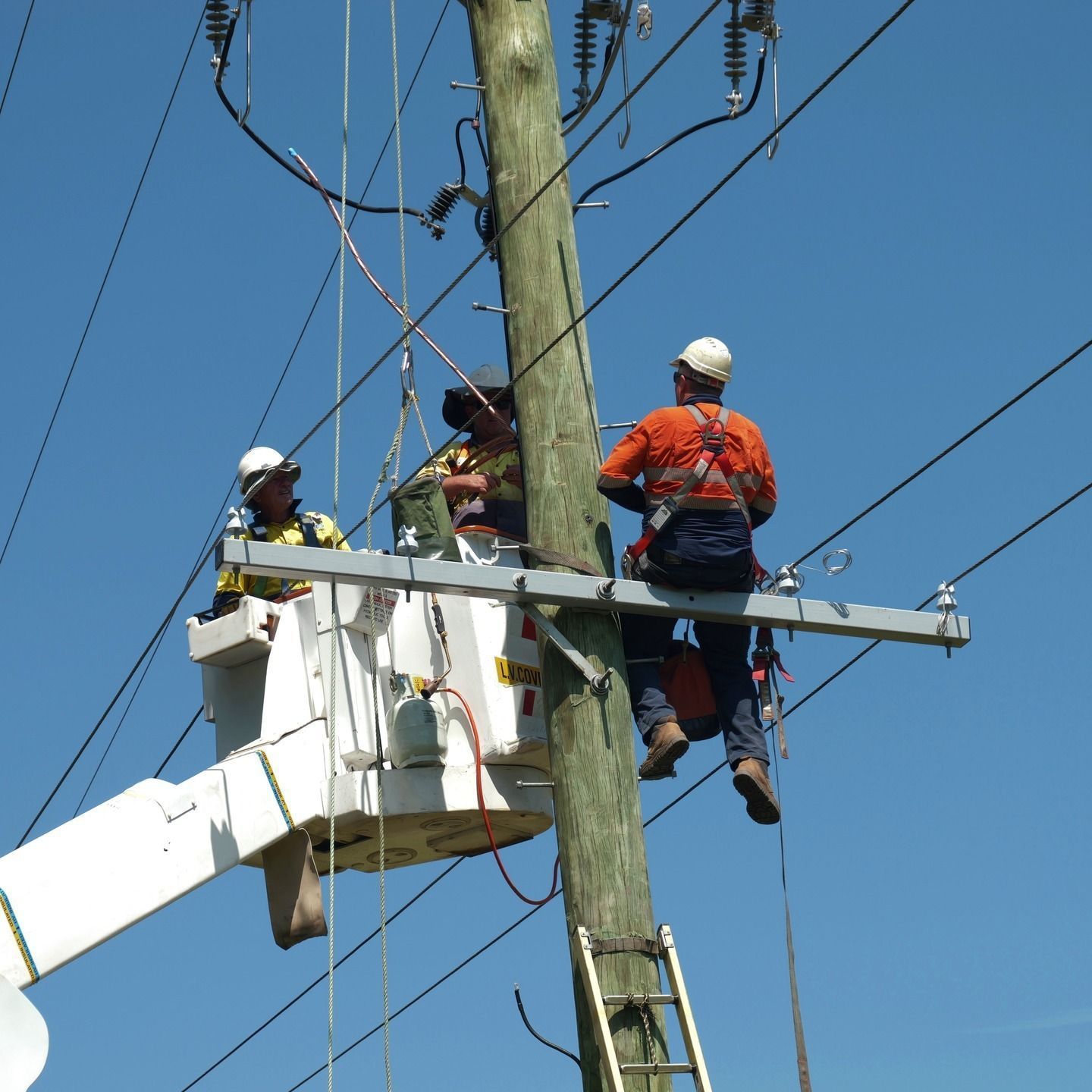
An unexpected electrical fault doesn't just trip a breaker. In an industrial environment, it can halt a production line, trigger a safety incident, damage expensive equipment, and generate emergency costs that dwarf what a routine inspection would have cost. The electrical system rarely gets attention until something goes wrong — and by then, the cost of neglect is already being counted.
A structured approach to industrial electrical maintenance shifts that focus from reaction to prevention. Whether you're looking for an electrician in Tweed Heads or managing a facility in the wider border region, this blog covers the key disciplines and what a practical programme looks like.
What Unplanned Downtime Actually Costs an Industrial Operation
For most industrial businesses, the electrical system is expected to work all the time, without much thought given to how. That assumption holds until a fault forces a shutdown, at which point the cost becomes apparent fast.
The impact of an unexpected electrical failure typically includes:
- Lost production output: even a few hours of downtime in a manufacturing environment can represent significant revenue loss, particularly where production runs are time-sensitive
- Emergency repair costs: after-hours call-outs, expedited parts, and the premium rates of reactive work add up considerably compared to planned maintenance
- Equipment damage: surges and overloads can cause collateral damage to motors, control systems, and connected machinery well beyond the original fault point
- Safety and compliance exposure: an incident resulting in injury or fire creates liability and triggers regulatory scrutiny well beyond the repair bill
Planned maintenance reduces the probability and severity of unplanned events.
Why Industrial Electrical Systems Need a Different Maintenance Approach
Industrial electrical systems operate under conditions that bear little resemblance to residential or light commercial wiring. High continuous loads, three-phase distribution, heavy machinery connections, and extended operating hours create an environment where components degrade faster and failures carry proportionally larger consequences.
- Load intensity: sustained high currents generate heat and stress on conductors, connections, and protective devices over time
- Operating environment: dust, moisture, vibration, and chemical exposure accelerate degradation in ways standard intervals don't always account for
- System complexity: multi-circuit boards, variable speed drives, control panels, and integrated machine wiring require systematic inspection rather than ad hoc checks
- Consequence of failure: a failed circuit is a residential inconvenience; in an industrial setting it can mean a stoppage or equipment damage worth tens of thousands of dollars
Thermographic Scanning: Finding Faults Before They Find You
Thermographic scanning uses infrared imaging to detect heat anomalies while electrical systems operate under load. Because faults typically generate heat before they manifest as failures — loose connections, overloaded circuits, deteriorating components — thermal imaging identifies problems while they're still manageable.
- Non-invasive under live load: performed without shutting down equipment or de-energising panels, so the system is inspected in its actual operating condition
- Early detection of loose and corroded connections: resistance at connection points generates localised heat that's invisible to a visual inspection but clear through thermal imaging
- Identification of overloaded circuits and failing components: breakers, fuses, and switchgear approaching end of life show thermal signatures before they trip or fail
- Documented evidence for planning: thermal images record system condition, support prioritisation of repairs, and demonstrate compliance due diligence
Annual scanning is standard for most sites, with higher frequency for systems under consistently high loads or in harsh environments.
Switchboard Servicing: The Heart of Your Electrical System
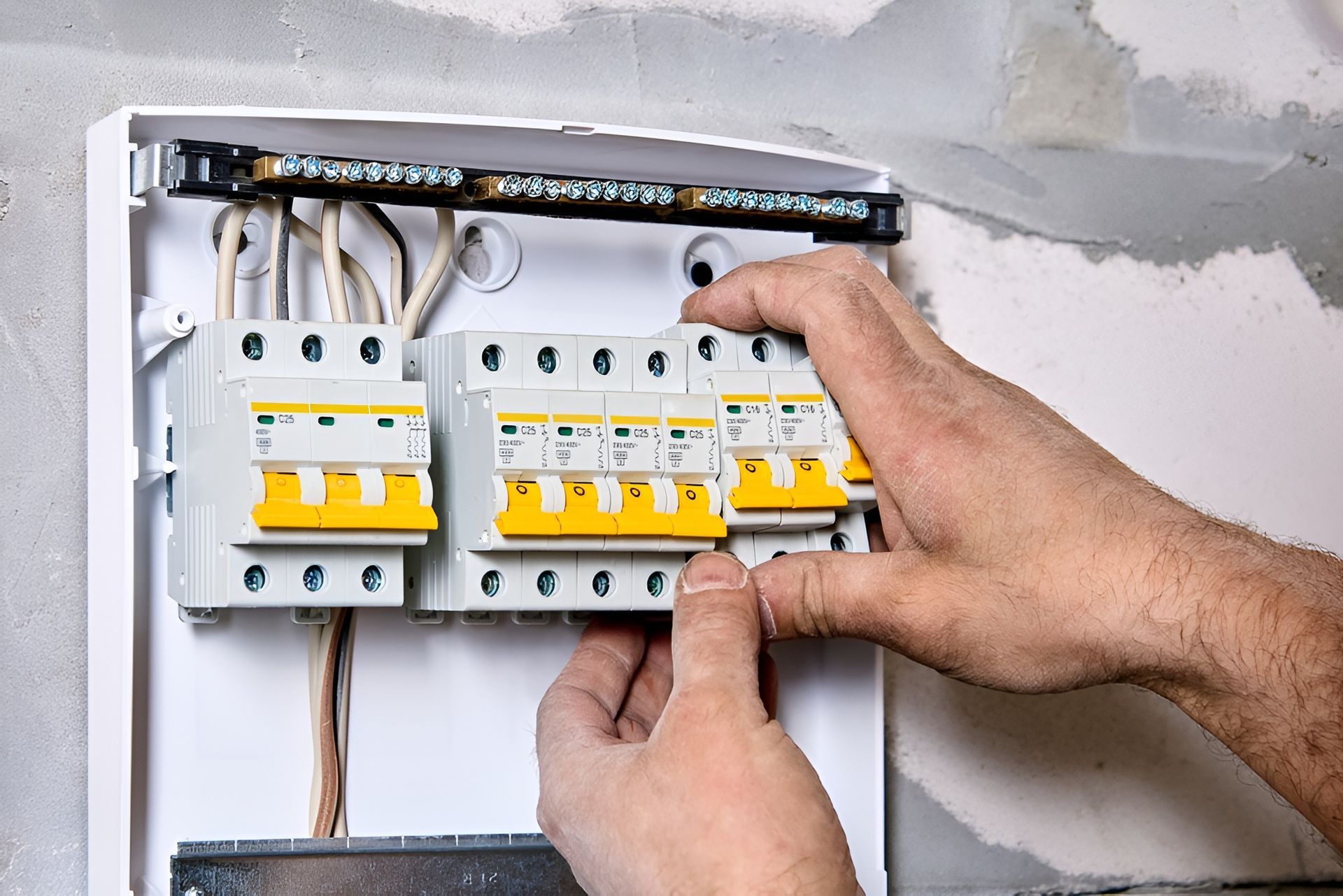
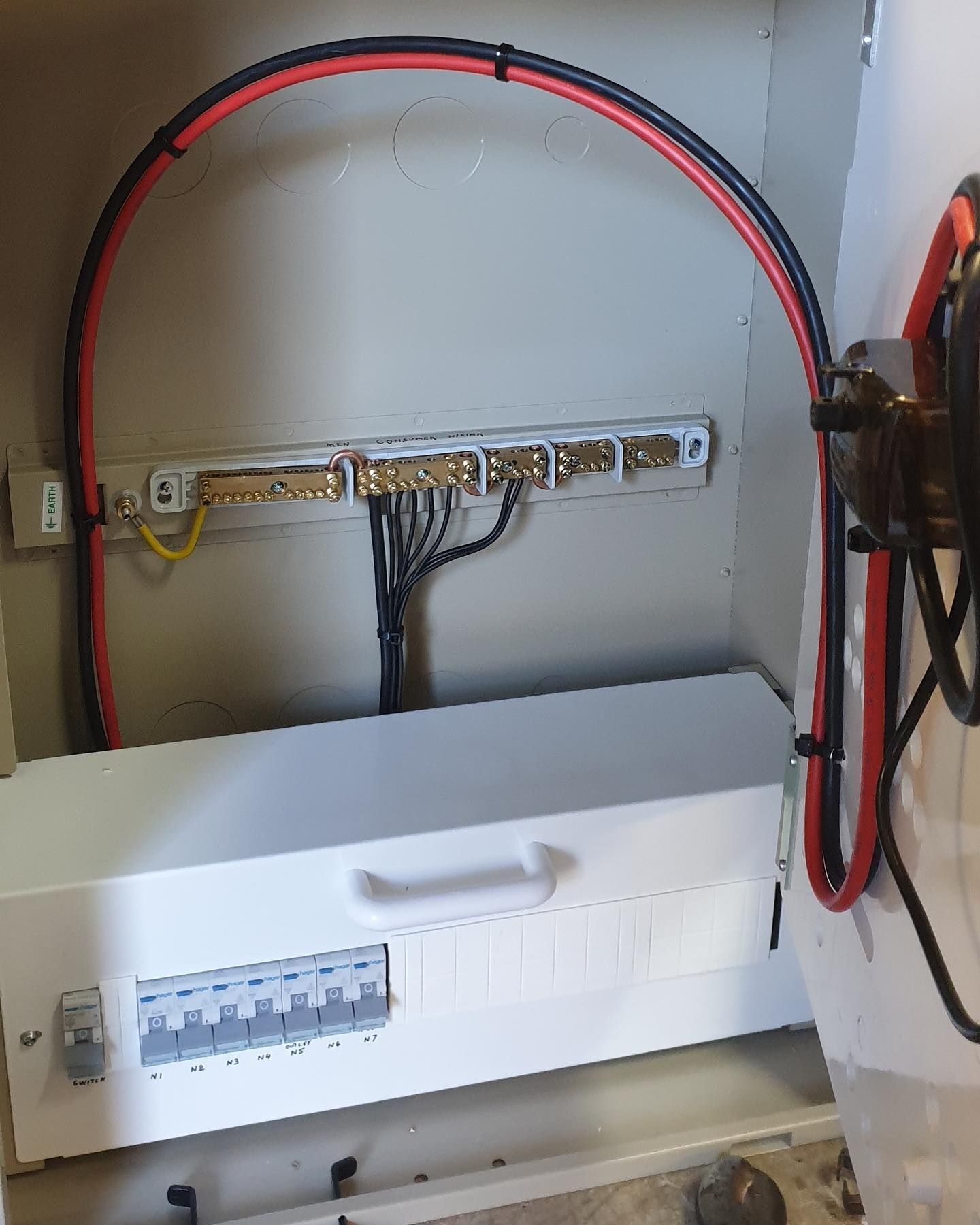
The switchboard is the central distribution point for a site's electrical supply and one of the most maintenance-critical components on any property. Neglected switchboards are a leading cause of electrical fires — not through dramatic failures, but through the slow accumulation of issues that go undetected without regular servicing.
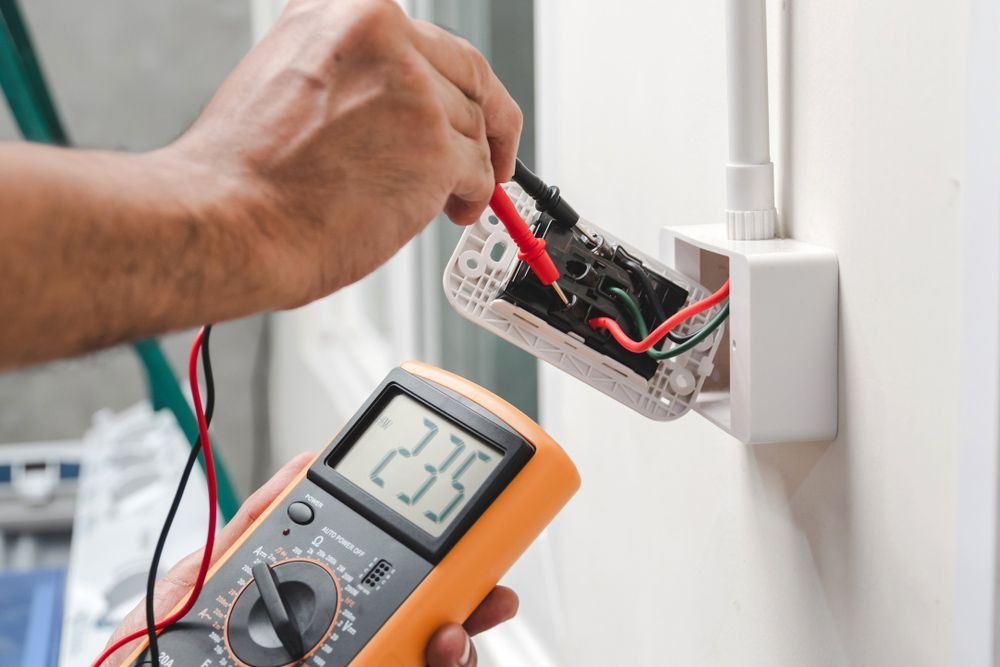
- Physical inspection and thermal imaging: checking for heat damage, arcing, corrosion, and deterioration, with a thermal scan to identify hotspots under load
- Connection tightening and cleaning: vibration and thermal cycling loosen terminals; re-tightening and cleaning surfaces restores conductivity and reduces resistance heat
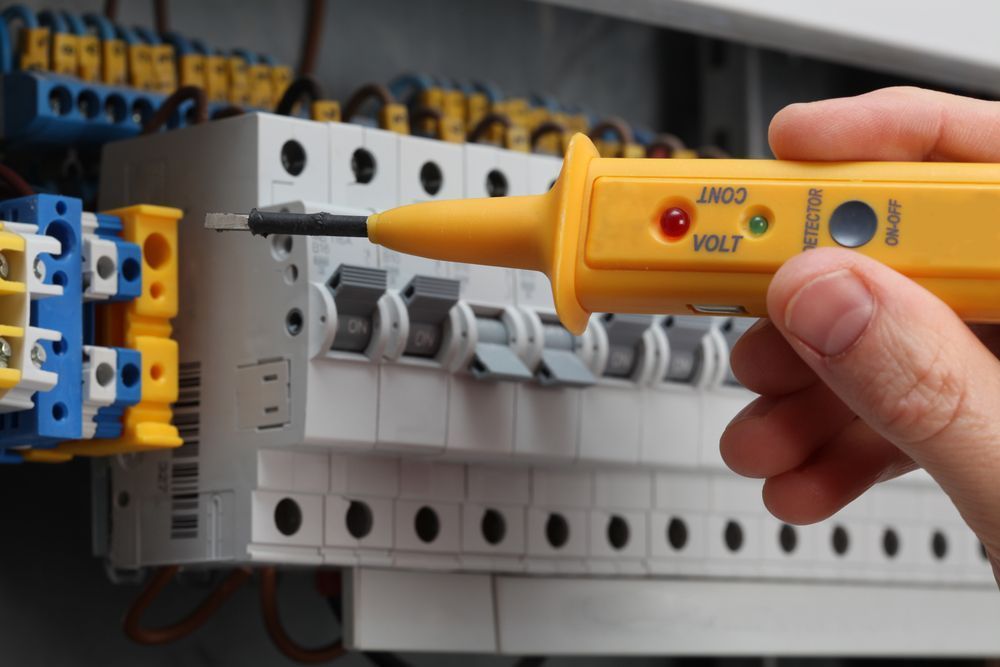
- Testing of protective devices: circuit breakers, RCDs, and other equipment are tested to confirm they'll respond correctly to a fault
- Labelling and documentation: confirming all circuits are correctly identified and documentation reflects the current installation
Servicing also confirms whether the board is still rated appropriately for current load demands, relevant where capacity has expanded since installation.
Motor and Machine Electrical Checks Prevent Costly Replacements
Motor failures develop progressively through insulation breakdown, connection degradation, and overloading — largely preventable with the right checks in place.
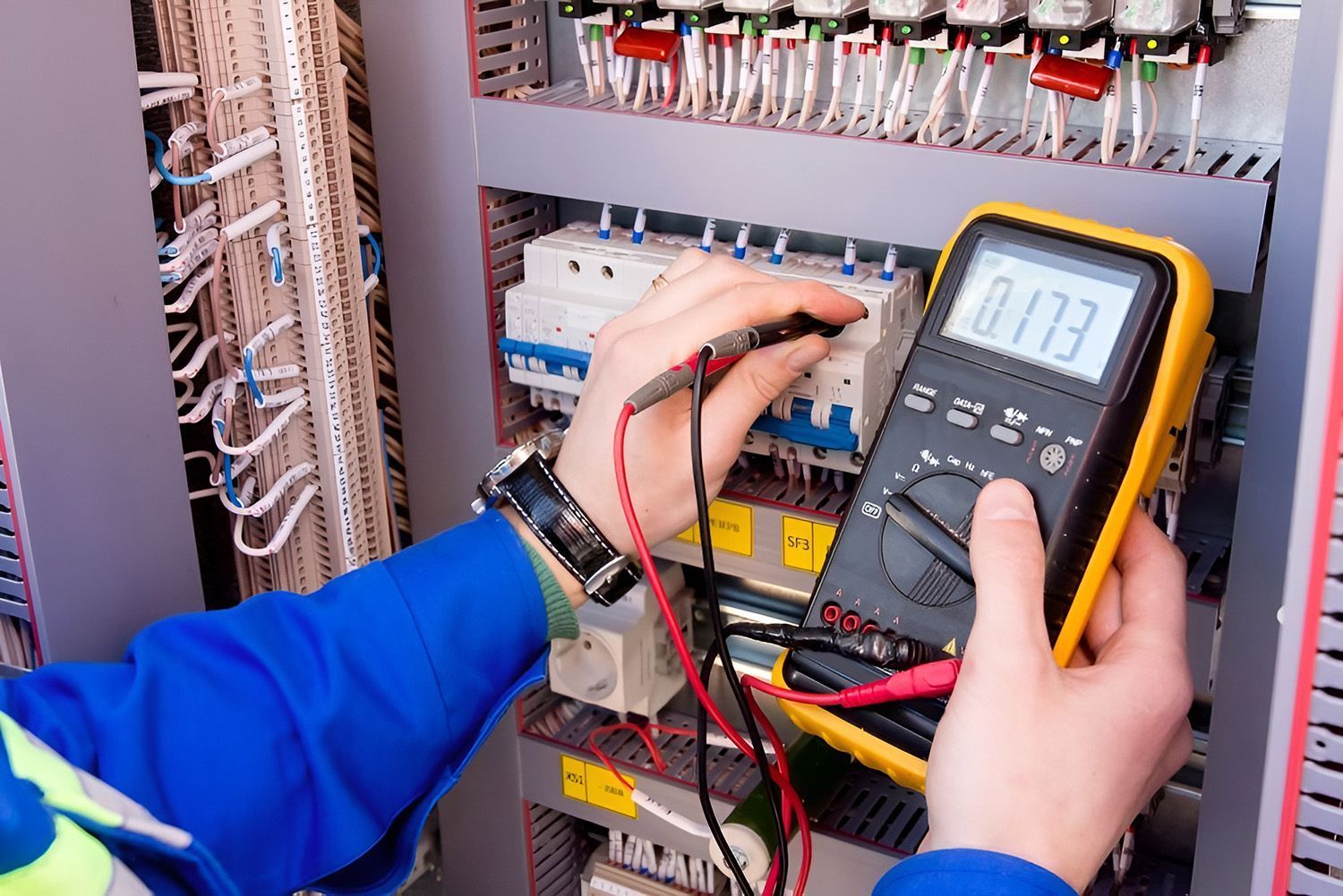
- Insulation resistance testing: measures winding insulation integrity, identifying deterioration before it reaches a winding fault or burnout
- Connection and termination inspection: loose or corroded terminations at the terminal box are a frequent cause of motor failure and straightforward to address proactively
- Load monitoring: comparing operating current against nameplate ratings identifies motors running outside their designed parameters
- Thermal imaging of motor bodies and control gear: elevated temperatures indicate developing issues; imaging during operation gives an accurate picture without disassembly
Catching an issue early typically means a repair. After failure it usually means a replacement, plus the added cost of unplanned downtime.
Scheduled Maintenance vs Reactive Repairs: The Case for Planning Ahead
Reactive maintenance is the default for many operations, often because a scheduled alternative hasn't been set up. The cost difference is substantial and widens further when downtime is factored in.
- Work fits around production schedules: maintenance can be timed for shutdowns or low-production periods, avoiding faults that force unplanned stoppages
- Predictable budgeting: defined scope and frequency allows electrical costs to be forecast rather than absorbed as unplanned expenses
- Cumulative condition knowledge: regular inspections build a documented picture over time, making it easier to anticipate replacements and plan capital expenditure
- Reduced emergency exposure: proactive maintenance reduces emergency call-outs, which carry significant cost premiums
Compliance and Safety Obligations on Industrial Sites
Facility managers carry responsibility for meeting the relevant compliance obligations. For a well-maintained site this is manageable, but it requires documentation, regular testing, and attention to applicable standards.
- AS/NZS 3000 and AS/NZS 3008: foundational wiring standards relevant to any modification, upgrade, or new installation
- AS/NZS 3017: sets requirements for inspection and testing of electrical installations, including documentation obligations
- WHS obligations: employers are required to manage electrical risks and maintain systems in a safe condition, with current inspection and testing records
- Testing and tagging under AS/NZS 3760: ongoing obligations for sites with portable equipment, with frequencies determined by environment and use
Compliance records demonstrate due diligence to regulators and insurers and support ongoing maintenance planning.
What a Structured Industrial Electrical Maintenance Programme Looks Like
Scope and frequency vary by site, but the core elements of a structured programme are consistent.
- Scheduled switchboard servicing: annually as a minimum for most sites, with more frequent servicing for high-load installations; includes thermal imaging, connection work, and device testing
- Thermographic scanning: conducted under operating load, documented with images and a written report, used to prioritise follow-up work
- Motor and machinery checks: insulation testing, connection inspections, and load monitoring, scheduled to coincide with planned maintenance windows
- Testing and tagging: scheduled to AS/NZS 3760 requirements with records maintained for compliance
- Fault response and documentation: a defined process for recording findings and keeping site electrical documentation current
A programme built around these elements maintains reliability, supports compliance, and reduces financial exposure from unplanned failures.
We at Rob Ward Electrical Services work with industrial businesses across the Tweed Heads region and wider northern NSW and south-east Queensland border area. Coastal humidity, high-use manufacturing environments, and round-the-clock operations mean electrical maintenance here carries real stakes. If you manage a facility and want to move from reactive repairs to a programme that protects your operation, get in touch to discuss what's involved.