Why Fuses Blow And What To Do Next

Rob Ward Electrical Services • March 9, 2026

A blown fuse can be frustrating and inconvenient, especially when it disrupts power to your home or business without warning. While replacing a fuse may seem straightforward, recurring issues can indicate deeper electrical faults that require professional attention. Understanding what causes a fuse to blow and knowing the correct steps to take can help protect your property and keep everyone safe.


For property owners seeking reliable electricians in Lismore, recognising the warning signs early can prevent more serious electrical problems down the track.

What Is a Fuse and How Does It Work?

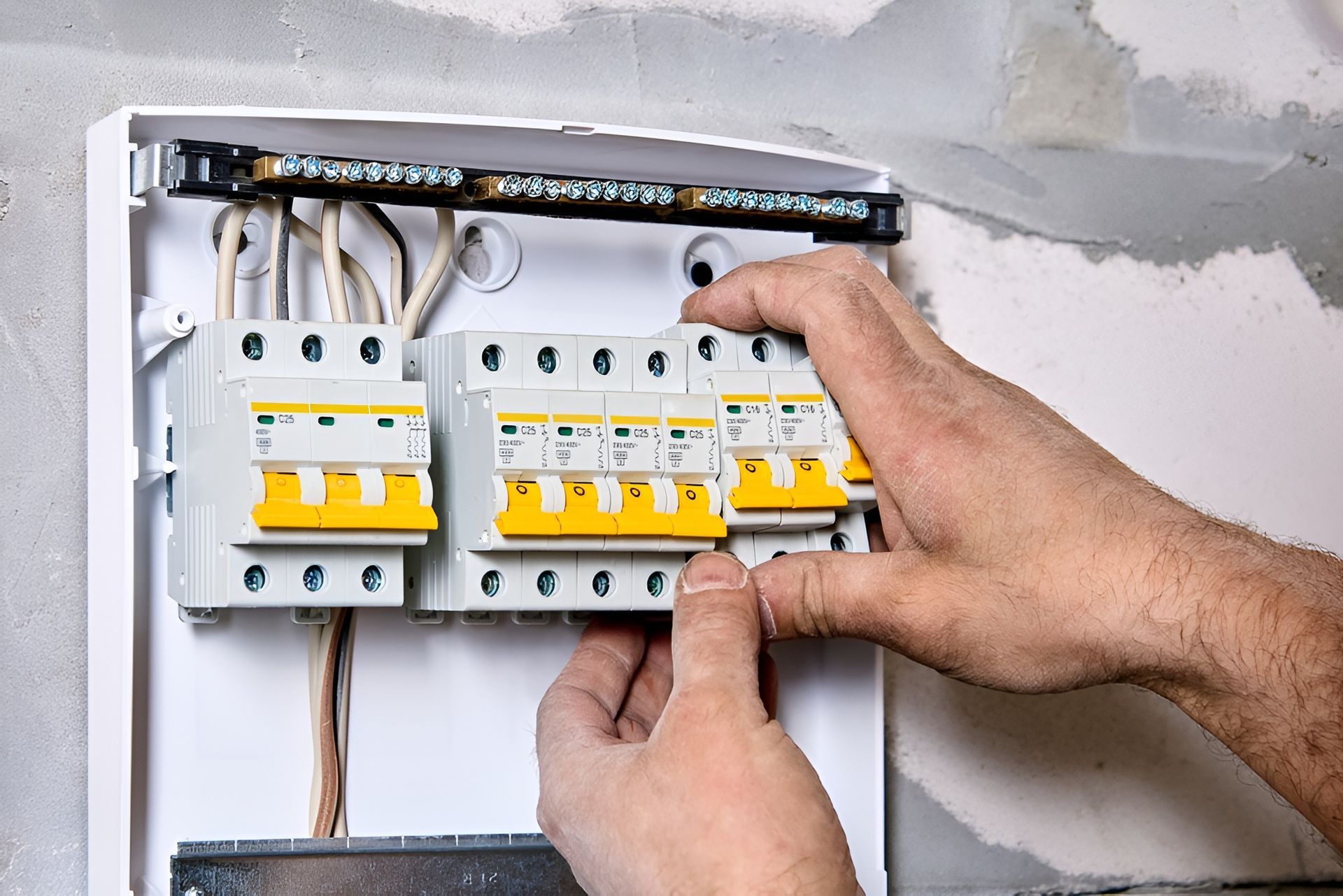
A fuse is a safety device designed to protect electrical circuits from overload. Inside each fuse is a thin metal strip or wire. When too much current flows through the circuit, the metal strip melts, breaking the connection and cutting off power. This prevents overheating, electrical fires and damage to appliances.


In simple terms, a blown fuse is a sign that your electrical system has detected a problem and acted to prevent something more dangerous from occurring.

What Causes a Fuse to Blow?

There are several common reasons why a fuse may blow. Identifying the cause is essential before simply replacing it.

Circuit Overload

One of the most common answers to what causes a fuse to blow is circuit overload. This happens when too many appliances or devices draw power from the same circuit at once. High-wattage appliances such as heaters, kettles and air conditioners can quickly exceed the circuit’s capacity.


When the demand for electricity becomes too high, the fuse interrupts the flow to prevent overheating.

Short Circuit

A short circuit occurs when a live wire comes into contact with a neutral wire. This creates a sudden surge of electrical current, often causing the fuse to blow immediately.


Short circuits can result from damaged wiring, faulty appliances or deteriorated insulation. They can also produce burning smells or visible sparks, which require urgent attention from qualified electricians in Lismore.

Ground Fault

A ground fault is similar to a short circuit but involves a live wire touching a grounded surface. This can occur in areas exposed to moisture, such as kitchens, bathrooms or outdoor outlets.

Ground faults are particularly dangerous because they increase the risk of electric shock. A blown fuse in these situations is a critical safety warning.

Faulty Appliances

Sometimes the issue is not the wiring but the appliance itself. Internal faults in devices can create abnormal current flow, leading to a blown fuse.


If a fuse blows shortly after plugging in a specific appliance, it is important to stop using that device until it has been inspected.

Aging Electrical Systems

Older properties may have outdated wiring that struggles to handle modern electrical demands. As households and businesses add more devices over time, older systems can become overloaded more easily.


In these cases, recurring blown fuse issues may indicate that your electrical infrastructure requires upgrading.

Safety Precautions After a Blown Fuse

If you experience a blown fuse, safety should always come first.


Before doing anything:


  • Turn off and unplug appliances connected to the affected circuit
  • Switch off the main power supply if necessary
  • Avoid touching exposed wiring
  • Never attempt repairs if you are unsure


Replacing a fuse without addressing the underlying cause can lead to repeated failures or even dangerous conditions.


If you are uncertain about what caused the problem, contacting experienced electricians in Lismore is the safest course of action.

What to Do After a Fuse Blows

Once the immediate situation is safe, follow these steps:


  1. Identify which circuit has been affected.
  2. Unplug devices connected to that circuit.
  3. Replace the fuse with one of the correct rating.
  4. Restore power and reconnect appliances one at a time.


If the fuse blows again immediately, this is a clear sign of an ongoing issue. Continuing to replace fuses without investigation can increase the risk of damage or fire.


Professional electricians can perform detailed fault-finding to determine the root cause and implement a long-term solution.

Why Recurring Issues Should Never Be Ignored

A single blown fuse may simply be due to temporary overload. However, repeated incidents suggest a more serious fault.


Persistent problems may indicate:


  • Hidden wiring damage
  • Overloaded circuits
  • Appliance malfunctions
  • Outdated switchboards
  • Moisture-related electrical faults


Ignoring these warning signs can result in costly repairs or safety hazards. Seeking expert assistance ensures your electrical system remains compliant and safe.

Preventative Tips to Reduce the Risk of Blown Fuses

While some issues are unavoidable, there are practical steps you can take to minimise the likelihood of a blown fuse.

Avoid Overloading Circuits

Distribute high-wattage appliances across different circuits. Avoid using multiple power-hungry devices simultaneously on the same outlet.

Upgrade Old Switchboards

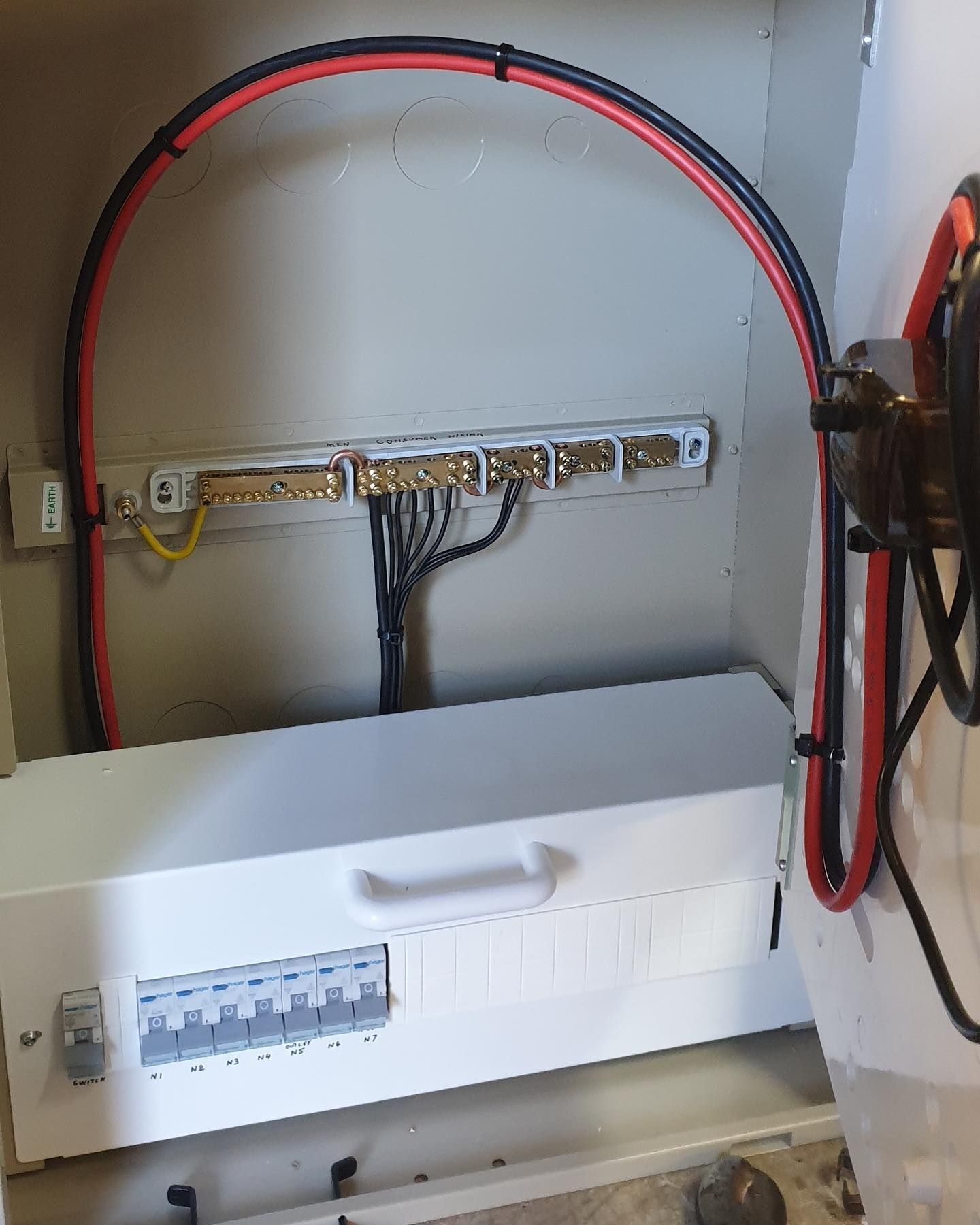
Modern switchboards offer improved protection compared to older fuse-based systems. Upgrading can enhance safety and reliability.

Schedule Regular Electrical Inspections

Routine inspections help identify worn wiring, loose connections or outdated components before they become problematic.

Be Mindful of Moisture

Water and electricity are a dangerous combination. Ensure outdoor outlets are weather-protected and address leaks promptly.

Use Appliances Correctly

Follow manufacturer instructions and avoid using damaged power cords or malfunctioning equipment.


By getting regular maintenance from trusted electricians Lismore businesses and homeowners gain peace of mind and experience a reduction in unexpected disruptions.

The Difference Professional Electricians Make

Electrical systems are complex and potentially hazardous. Diagnosing the cause of a blown fuse requires specialised knowledge and equipment.


Qualified electricians in Lismore can:


  • Conduct thorough circuit testing
  • Identify hidden faults
  • Repair or replace damaged wiring
  • Upgrade outdated systems
  • Ensure compliance with safety standards


Attempting DIY electrical repairs can lead to injury or further damage. Professional assessment ensures the problem is resolved safely and effectively.

Protecting Your Home or Business

Electrical faults do not just cause inconvenience. They can damage equipment, interrupt operations and pose fire risks. Acting promptly after a blown fuse helps safeguard both property and occupants.


Understanding what causes a fuse to blow empowers you to recognise early warning signs. However, long-term reliability depends on professional expertise.


If you are experiencing recurring blown fuse problems or have concerns about your electrical system, contact Rob Ward Electrical Services or arrange assistance from experienced electricians in Lismore who prioritise safety, compliance and dependable service. 

Electricians Working on Electrical Power Pole
By Rob Ward Electrical Services March 16, 2026
Learn common electrical safety risks in older properties and how an electrician in Tweed Heads can help protect your home. Read the guide today.
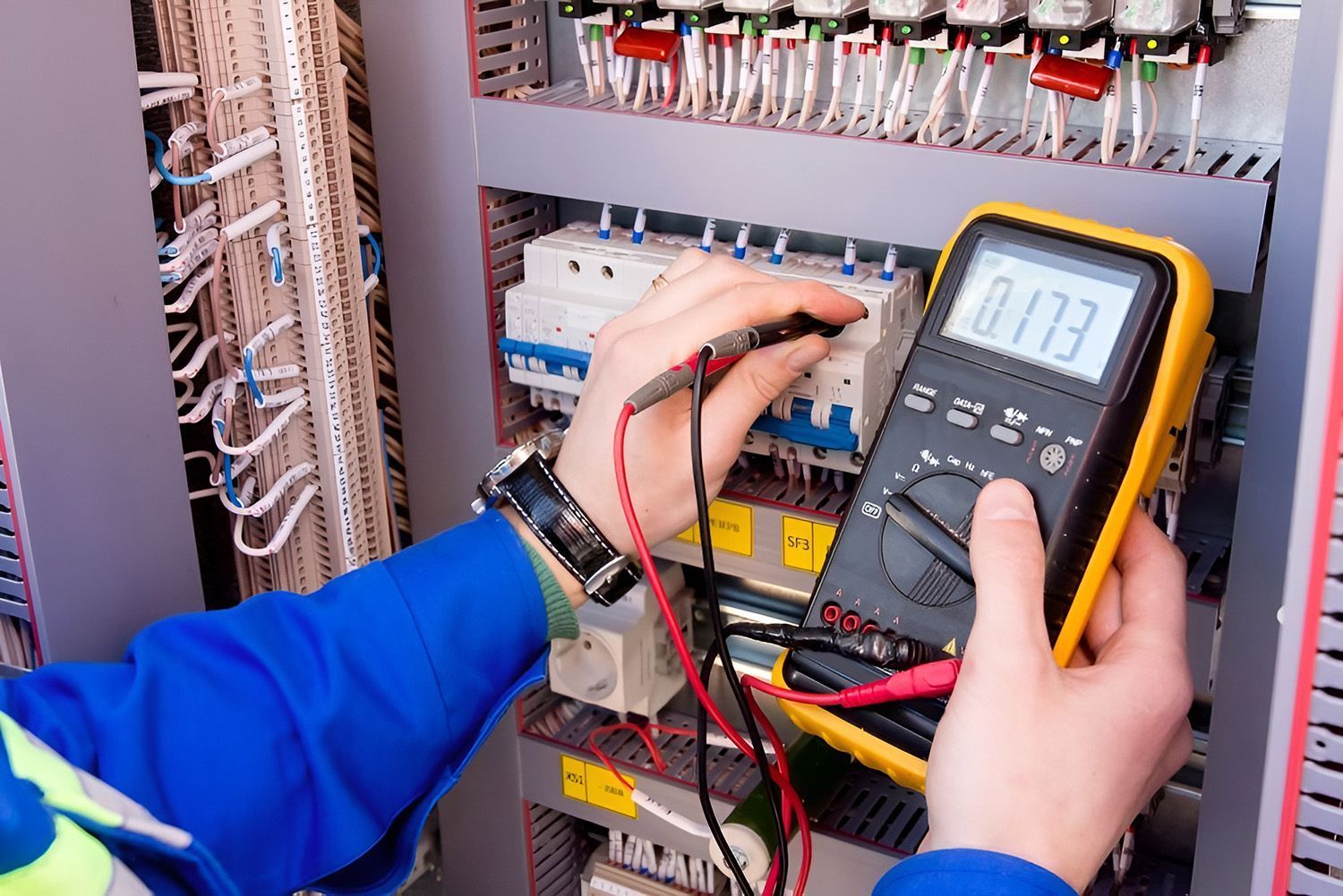
Electrician Using A Multimeter To Test Wiring Inside A Control Panel
By Rob Ward Electrical Services February 23, 2026
Learn how to choose a professional electrician in Tweed Heads, with tips on licensing, insurance and why you should hire electrician services locally.
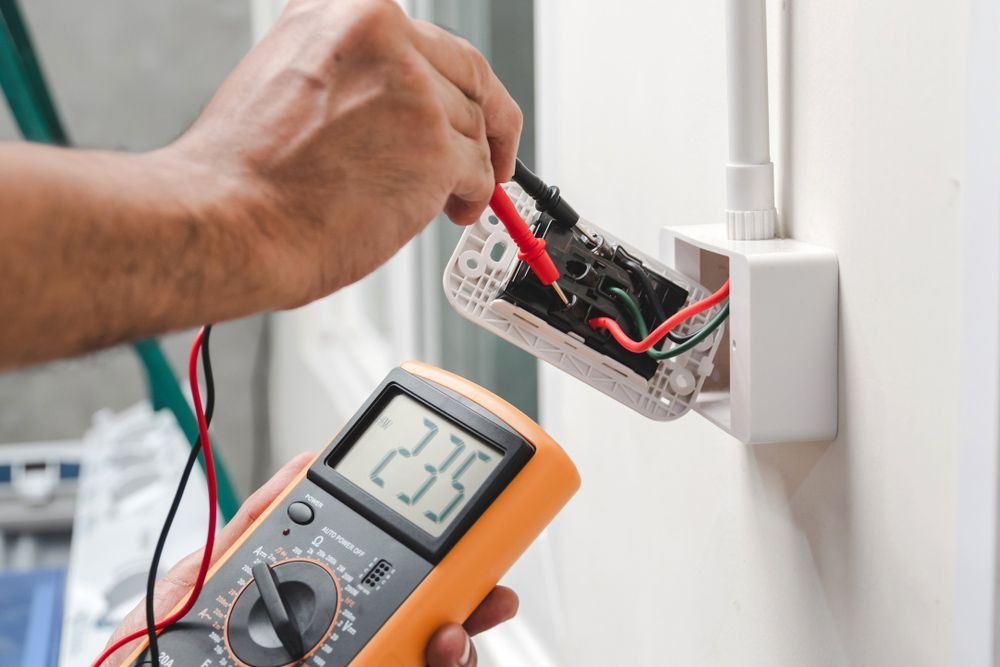
An Electrical Safety Inspection In Lismore
By Rob Ward Electrical Services January 5, 2026
Learn what happens in an electrical safety inspection and how to prepare. Get expert guidance from electricians in Lismore. Read more today.
More Posts