Three-phase Vs Single-Phase Power: What Rural Properties Around Lismore Actually Need
The lights dim every time the irrigation pump kicks in. The workshop grinder trips a breaker mid-cut. A cool room compressor struggles to restart after a power blip. None of these are random glitches – they're usually a rural property telling its owner that the single-phase supply running to the house and sheds has reached its limit. When symptoms like this appear, it's often the point at which a property owner needs an electrician in Lismore to determine whether the supply itself needs to be changed.
Properties on the outskirts of Lismore often run on long single-phase supply lines that were never designed for the load of modern irrigation, workshop machinery or larger sheds. Understanding what's actually happening, and what a fix involves, starts with knowing the difference between single-phase and three-phase power.
What's the Real Difference Between Single-Phase & Three-Phase Power?
Single-phase power delivers electricity in one continuous wave, which is fine for household lighting, appliances and small tools. Three-phase power delivers three overlapping waves instead, which means a steadier, more consistent flow of energy to whatever's plugged in. The difference comes down to this:
- Single-phase suits homes, small sheds and light appliances
- Three-phase suits motors, pumps and machinery that need a strong, stable start-up current
- Three-phase can carry roughly three times the load of a single-phase supply of the same voltage
For a rural property, the practical difference shows up the moment heavy equipment tries to start. A single-phase supply strains under that demand. A three-phase supply barely notices it.
What Are the Warning Signs a Property Has Outgrown Its Single-Phase Supply?
Most rural properties don't upgrade their power supply because they've read about phase ratings. They upgrade because something keeps going wrong, and the pattern becomes impossible to ignore. The most common signs include:
- Lights dimming or flickering when a pump, compressor or motor starts
- Breakers tripping repeatedly during equipment start-up
- Machinery that hums, stalls or refuses to start altogether
- Appliances running noticeably slower when other equipment is in use
Any one of these on its own might be a minor issue. Several happening together, especially around the same piece of equipment, usually points to a supply that's being asked to do more than it was built for.
Why Do Irrigation Pumps & Cool Rooms Struggle on Single-Phase Power?
Irrigation pumps and cool room compressors both need a strong burst of current the moment they switch on. On a single-phase supply, that surge can drag down voltage across the whole property, which is exactly why the lights dim in the kitchen when the pump starts in the paddock. This tends to play out in a few ways:
- Irrigation pumps often need three-phase power once they exceed a certain motor size
- Cool rooms with larger compressors draw heavily on start-up, straining a single-phase line
- Repeated strain like this can shorten the working life of both the motor and the supply wiring
For properties running either of these, the dimming lights aren't a coincidence. They're the supply reaching its ceiling.
When Do Workshops & Sheds Need Three-Phase Power?
A weekend shed with a few power tools rarely needs anything more than single-phase. A working workshop with welders, compressors, lathes or larger power tools is a different story, and it usually comes down to a few factors:
- Three-phase motors run more efficiently and with less heat build-up under sustained use
- Larger workshop equipment is often manufactured with three-phase as the standard, not the option
- Sheds built for future expansion benefit from three-phase being installed from the outset rather than retrofitted later
Anyone planning a new shed or workshop upgrade on a rural block should factor this in early, since retrofitting later usually costs more than building it in from the start.
What Does a Phase Upgrade Actually Involve?
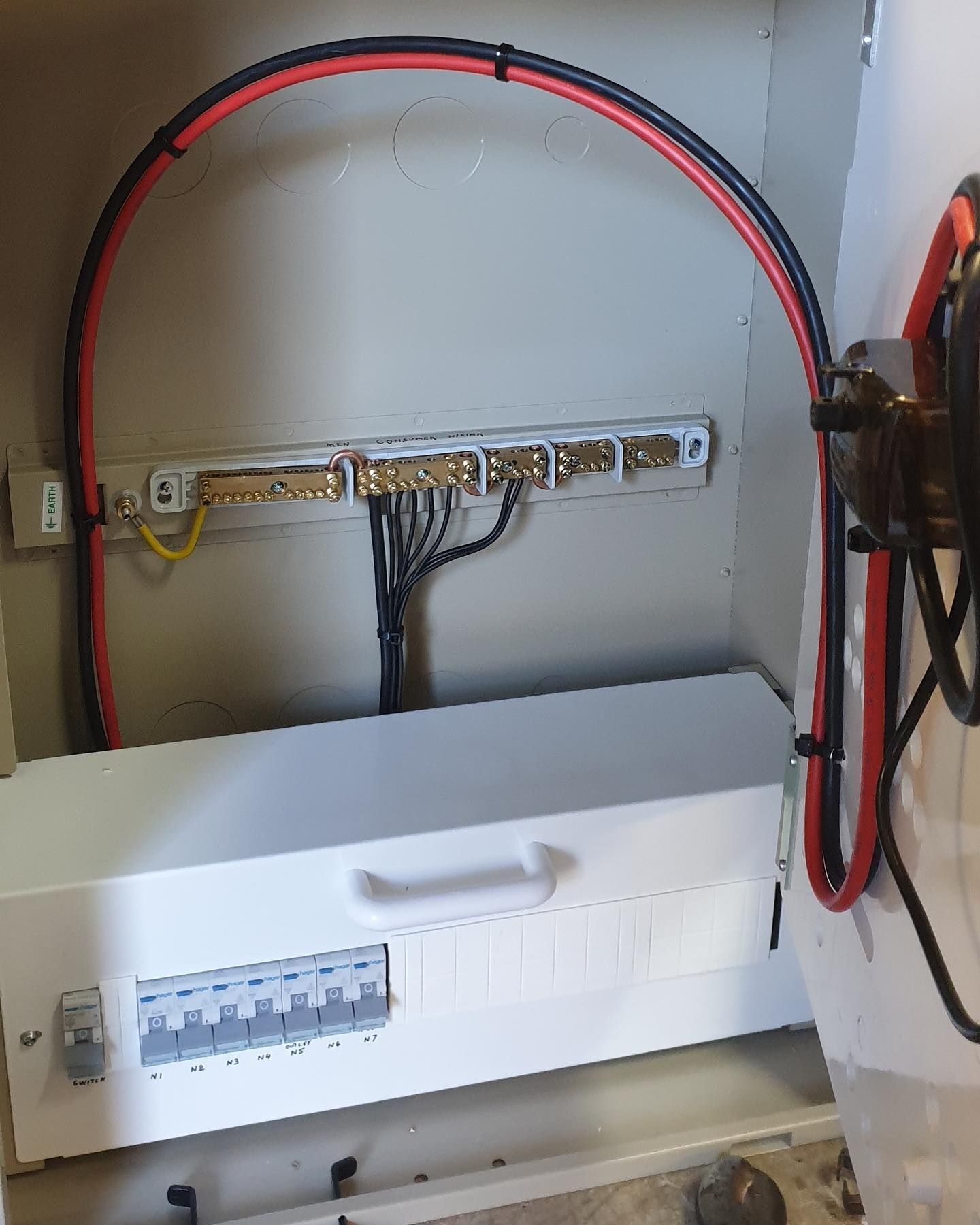
A phase upgrade isn't a simple switch flip. It usually involves new wiring from the point of supply, a new switchboard configuration, and coordination with the local network provider before any work begins. This is also the stage where most property owners bring in an electrician in Lismore, since the assessment needs to happen before any application goes to the network provider. The process generally covers:
- An assessment of current load and future equipment needs
- An application to the network provider for supply capacity
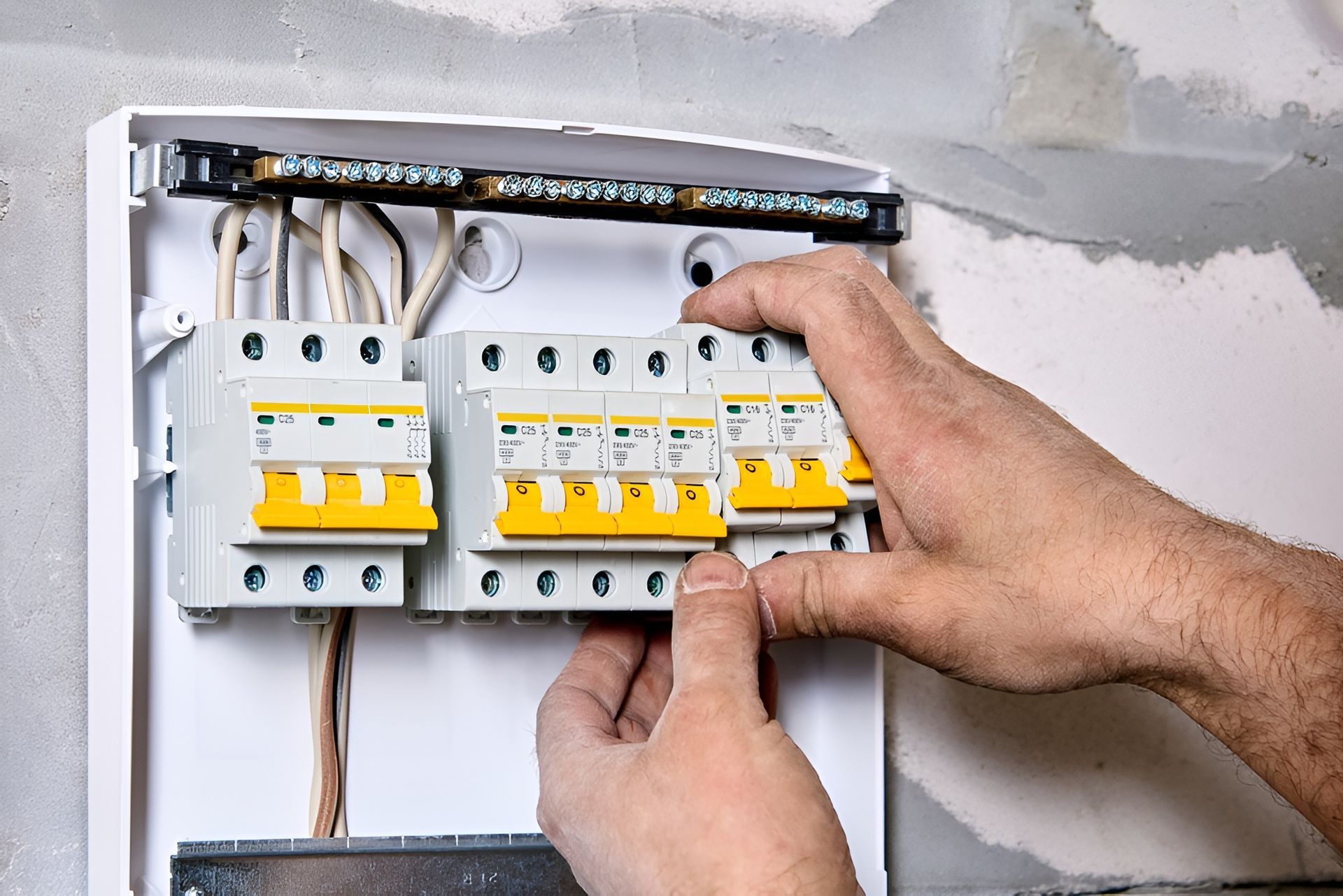
- Installation of new switchboard components rated for three-phase
- Final inspection and connection sign-off
Because the property's connection to the grid itself changes, this isn't a job that can be done informally. It has to go through the correct channels from the first step.
How Does the Network Provider Get Involved in a Rural Upgrade?
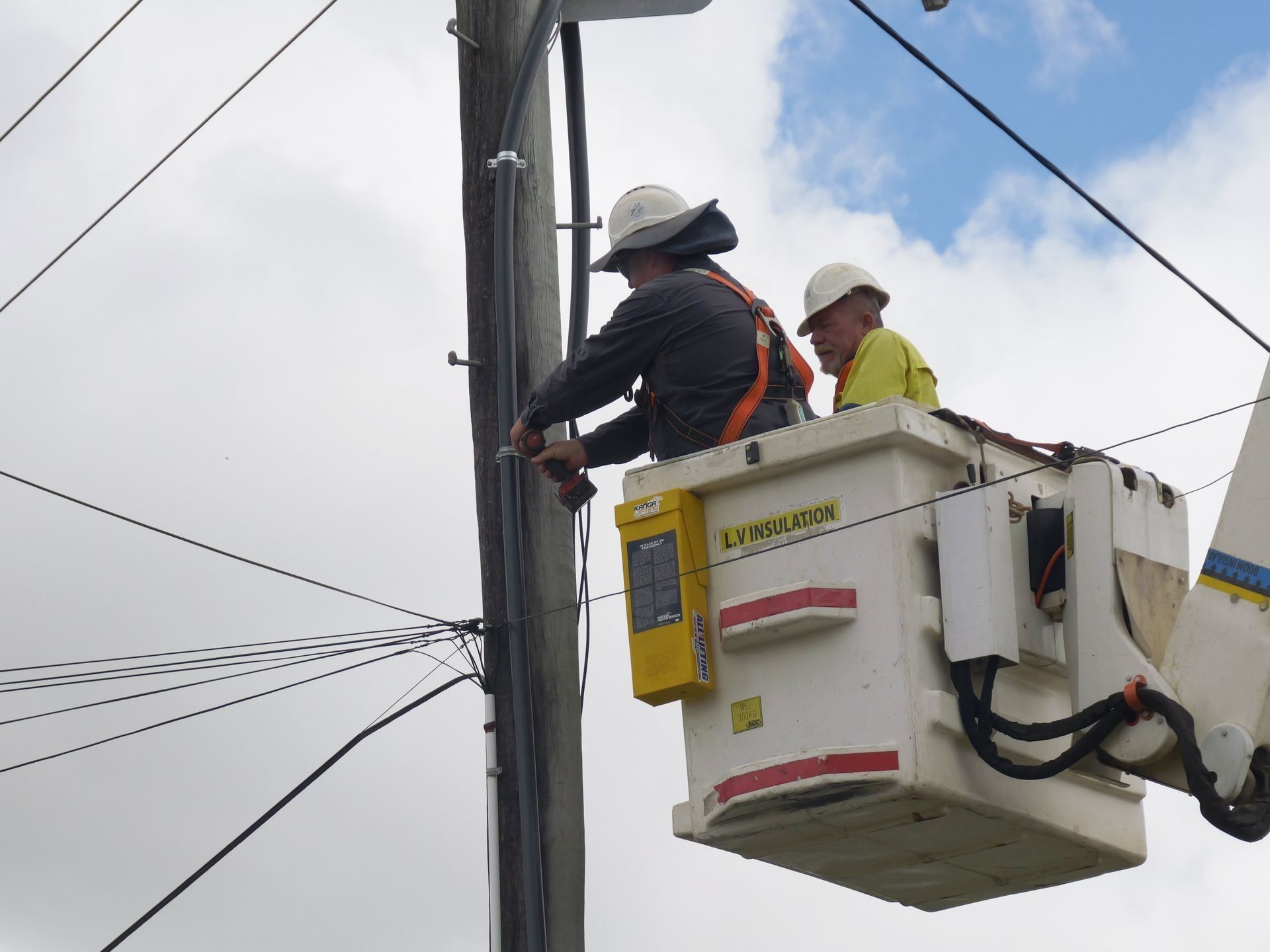
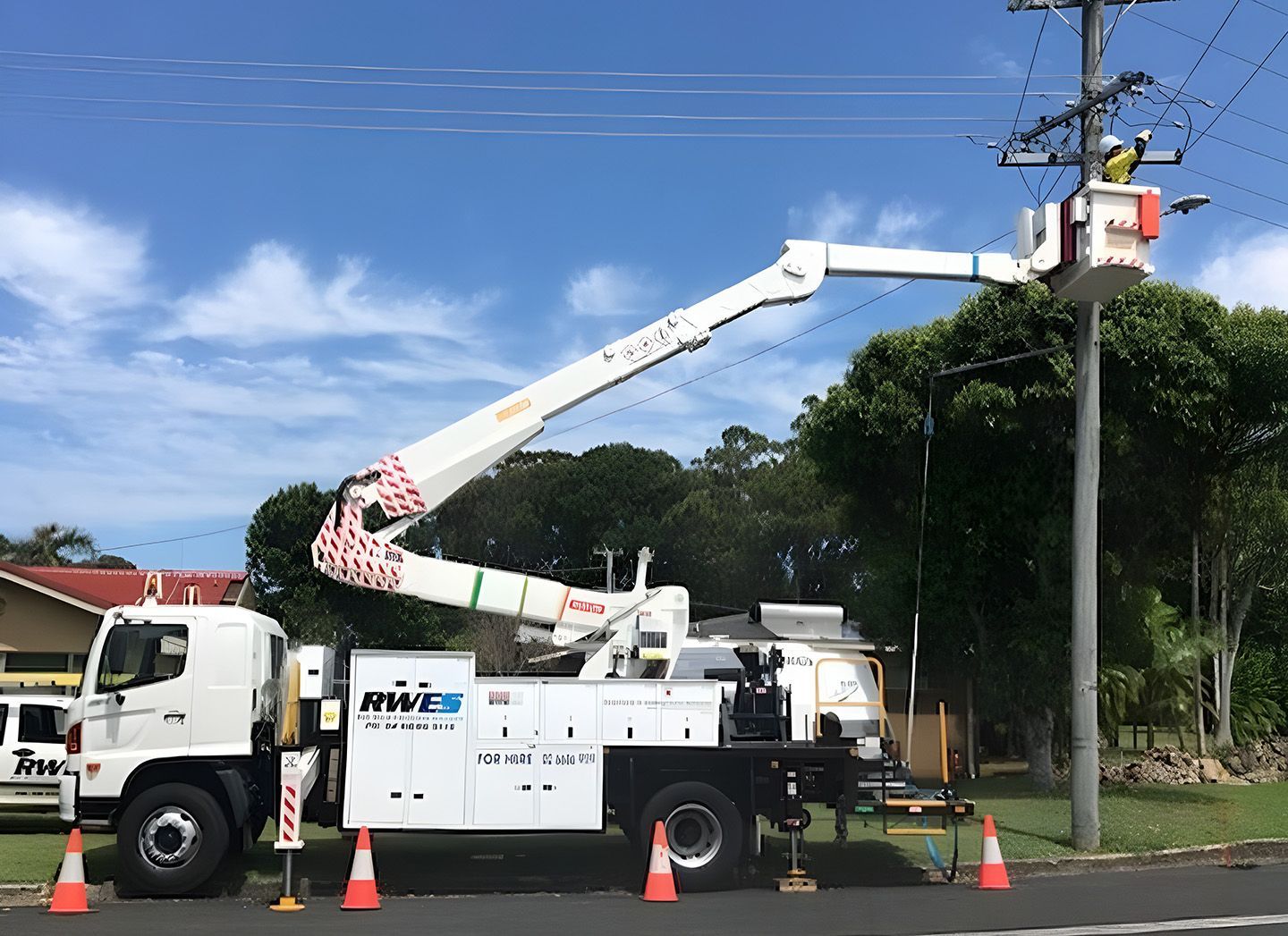
Rural properties around Lismore sit within Essential Energy's network area, which means any phase upgrade needs an application submitted to Essential Energy before physical work starts. This step confirms whether the existing supply line and local infrastructure can support the increased load, or whether augmentation is needed first. A few things typically shape that outcome:
- Essential Energy assesses whether the local line and transformer can handle three-phase supply
- Ageing poles or long supply runs common in rural areas can affect what's approved
- Approval timeframes vary depending on the property's location and existing infrastructure
This is often the step that surprises property owners, since it's easy to assume the upgrade only involves work on their own property.
How Long Does a Phase Upgrade Actually Take?
Timeframes depend heavily on the network provider's assessment and whether the existing infrastructure needs upgrading before the new supply can be connected. In general:
- Straightforward upgrades with existing capacity nearby may be completed within a few weeks
- Properties needing pole or line augmentation can take considerably longer
- On-site electrical work, once approved, is usually completed within a day or two
Because so much depends on Essential Energy's assessment, it's worth starting the application process well before machinery or shed builds are locked in.
Why Does This Work Require a Level 2 ASP Accreditation?
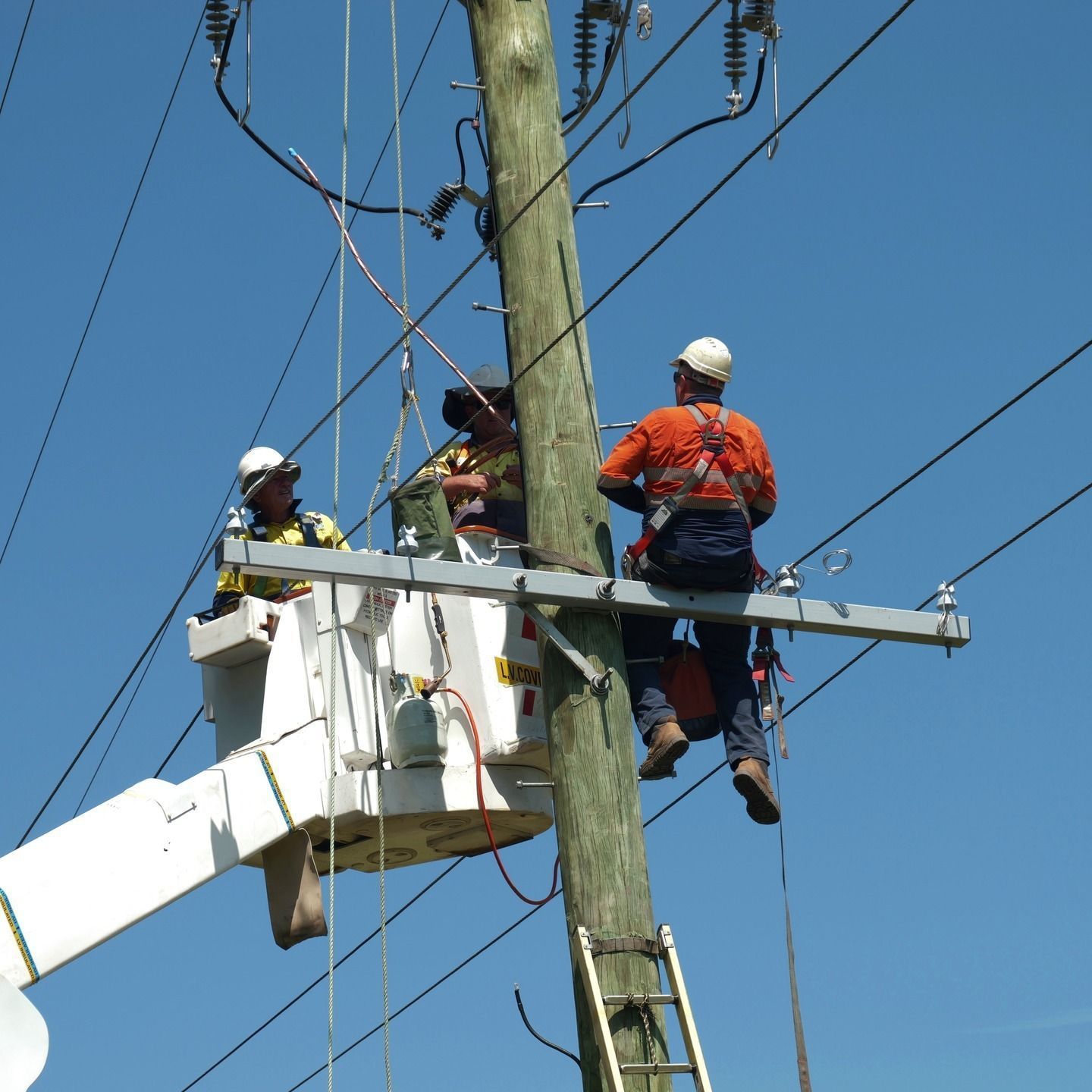
Phase upgrades involve work on the network side of the meter, not just the property's internal wiring. That distinction matters, because only electricians holding Level 2 Accredited Service Provider (ASP) accreditation are authorised to carry out that connection work. This affects the job in a few practical ways:
- Level 2 ASP accreditation covers work between the property and the network's point of supply
- Without it, the connection component of a phase upgrade has to be handed off to another provider
- Coordinating both the internal and network-side work under one accreditation avoids delays between separate contractors
For rural properties already dealing with long supply runs and ageing infrastructure, having one accredited provider manage the whole process, from Essential Energy application through to final connection, keeps the upgrade moving without gaps between trades.
What Should You Do If Your Property Is Showing These Signs?
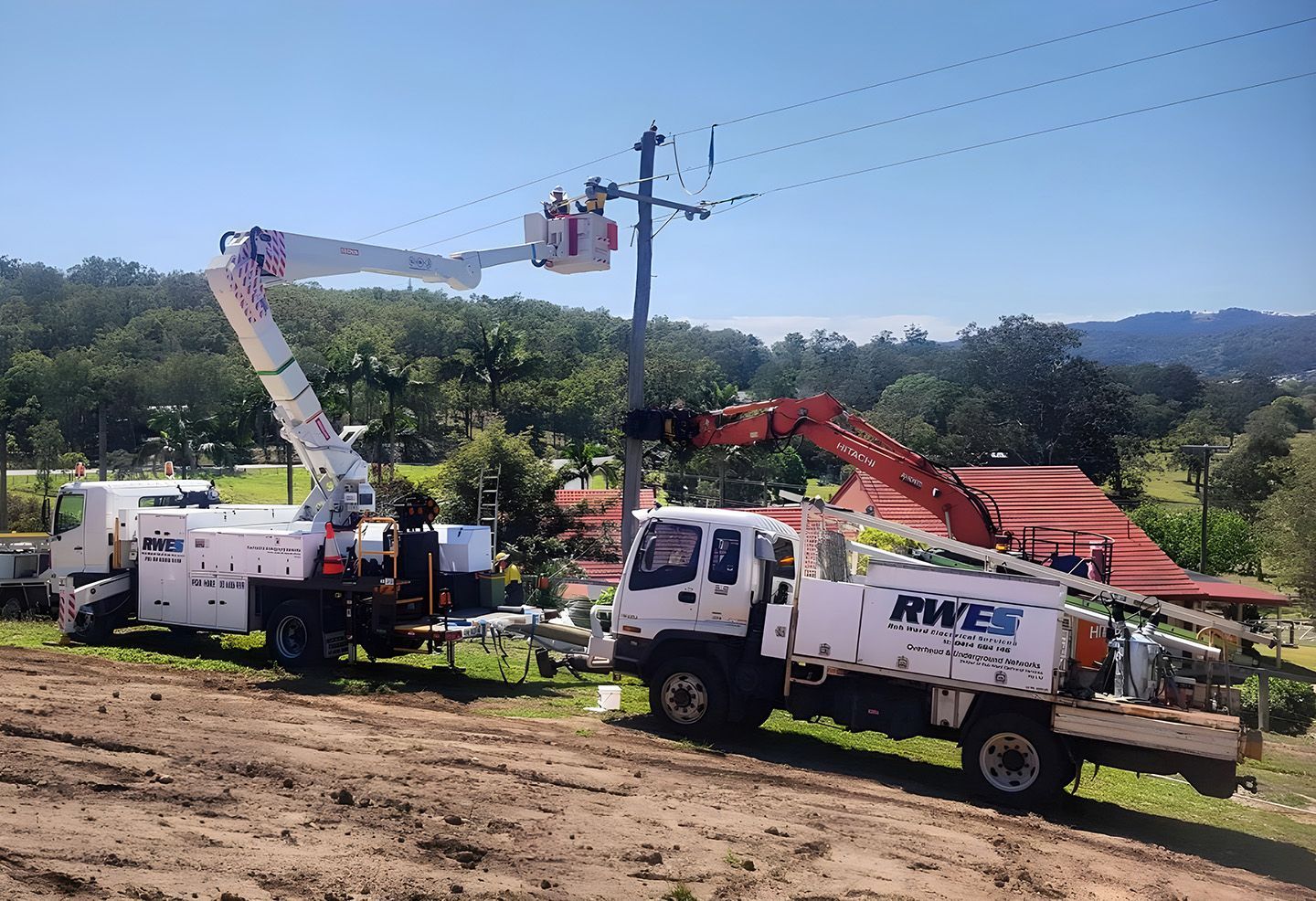
At Rob Ward Electrical Services, we hold Level 2 ASP accreditation, one of the few local electrical businesses that do, which means we can manage a phase upgrade from the initial assessment through to the network connection itself, rather than splitting the job across two separate providers. The clearest next step for a property around Bexhill, Dunoon, Modanville or Tuncester showing signs of outgrowing its single-phase supply is a proper load assessment, done before any new equipment or shed build is locked in, rather than after something trips or fails to start. Get in touch with our team of electricians in Lismore to have your property's supply assessed.
FAQ
Do all rural properties need three-phase power?
No. Many rural properties run perfectly well on single-phase, particularly if they're not operating larger pumps, cool rooms or workshop machinery. The need for three-phase comes down to the specific equipment being run, not the size of the property alone.
Can I add three-phase power without changing my existing wiring?
Usually not. A phase upgrade typically requires new switchboard components and wiring configured for three-phase, alongside the network-side connection work through Essential Energy.
Is a phase upgrade the same as increasing my supply capacity?
Not necessarily. Some properties can solve dimming or tripping issues by increasing single-phase capacity alone. Others genuinely need three-phase because of the type of equipment they're running. An assessment is the only way to know which applies.
Why does Essential Energy need to be involved?
Because a phase upgrade changes how a property connects to the network, Essential Energy has to assess whether the local infrastructure, including poles and transformers, can support the increased load before any upgrade is approved.
What happens if my property needs pole or line upgrades first?
This can extend the timeframe considerably, since Essential Energy would need to schedule the infrastructure work before the property's phase upgrade can be connected. It's a good reason to start the assessment process early.