Flickering Lights? Here’s What You Need To Know
Flickering lights are easy to ignore at first. It might seem like a small issue, something that comes and goes without much impact. But over time, those small changes can become more noticeable, especially when they start affecting how your space feels and functions.
If you’re dealing with flickering lights, having them checked by an electrician in the Northern Rivers can help identify what’s happening behind the scenes. In many cases, flickering lights are a sign that something isn’t working as it should. Understanding what causes lights to flicker can help you recognise when it’s worth getting things checked properly, rather than waiting for the issue to become more disruptive.
When Flickering Lights Are More Than Just a Minor Annoyance
It’s common for lights to flicker occasionally, especially when appliances switch on or off. But when it starts happening more often, or without a clear reason, it can point to something more than a temporary fluctuation. These changes can affect how reliable your lighting feels across your home or workplace. Over time, even small inconsistencies can become frustrating or disruptive.
- Occasional flicker vs constant issue
- Lights dimming unexpectedly
- Brightness changes without cause
- Flicker tied to appliance use
- Increasing frequency over time
What starts as a minor annoyance can indicate a developing issue. Paying attention early can help avoid more noticeable disruptions later.
What Causes Lights to Flicker in the First Place?
There are a number of reasons why lights may flicker, and not all of them are immediately obvious. Some causes are simple, while others relate to how the electrical system is functioning overall. The key is understanding that flickering is usually a symptom, not the root problem. Identifying the cause requires looking beyond the light itself.
- Loose bulbs or fittings
- Voltage fluctuations
- Circuit overload
- Wiring issues
- Faulty switches or fixtures
Flickering lights can come from several different sources. A proper assessment helps determine what’s actually behind the issue.
One Light or the Whole House? Why It Matters
The scope of the flickering can say a lot about what’s causing it. If it’s limited to one light, the issue may be contained to that fitting or connection. If multiple lights are affected, it may point to something broader within the electrical system. Noticing where and when it happens can help narrow things down.
- Single light vs multiple lights
- One room vs entire property
- Flicker linked to one circuit
- Whole-house fluctuations
- Changes during peak usage
The wider the issue, the more important it is to have it checked. Patterns like this can help guide what needs attention.
Loose Connections and Faulty Wiring Behind the Scenes
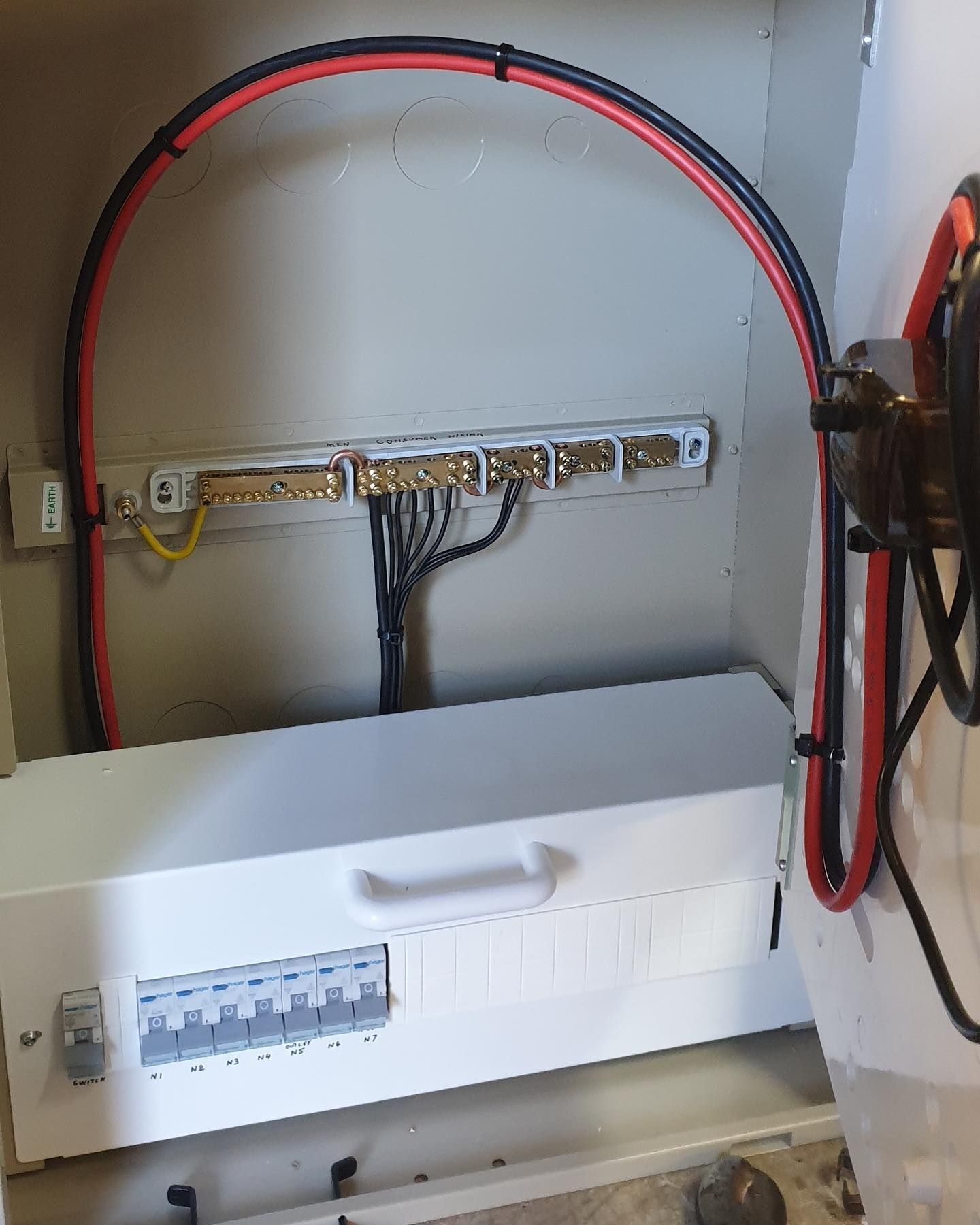
Many electrical issues are not visible, which is why flickering lights can be one of the first noticeable signs. Loose connections or worn wiring can interrupt the flow of electricity, causing inconsistent performance. These problems can develop gradually and may not be obvious without inspection. Over time, they can affect how reliably the system operates.
- Connections loosening over time
- Wear in older wiring
- Intermittent electrical flow
- Heat build-up in connections
- Hidden faults within circuits
Issues behind walls or fittings are not always easy to detect. A closer inspection helps identify what’s happening below the surface.
Overloaded Circuits and Everyday Appliance Use
Modern homes and workplaces often rely on multiple appliances running at the same time. When too much demand is placed on a single circuit, it can affect how power is distributed. This can show up as flickering lights, particularly when larger appliances are in use. The impact may vary depending on how the system is set up.
- Multiple devices on one circuit
- High-demand appliances starting up
- Lights dimming during use
- Circuit capacity limits
- Uneven power distribution
Managing load across circuits can help reduce these effects. It also supports more stable performance across the system.
Outdoor Conditions and Power Supply Fluctuations
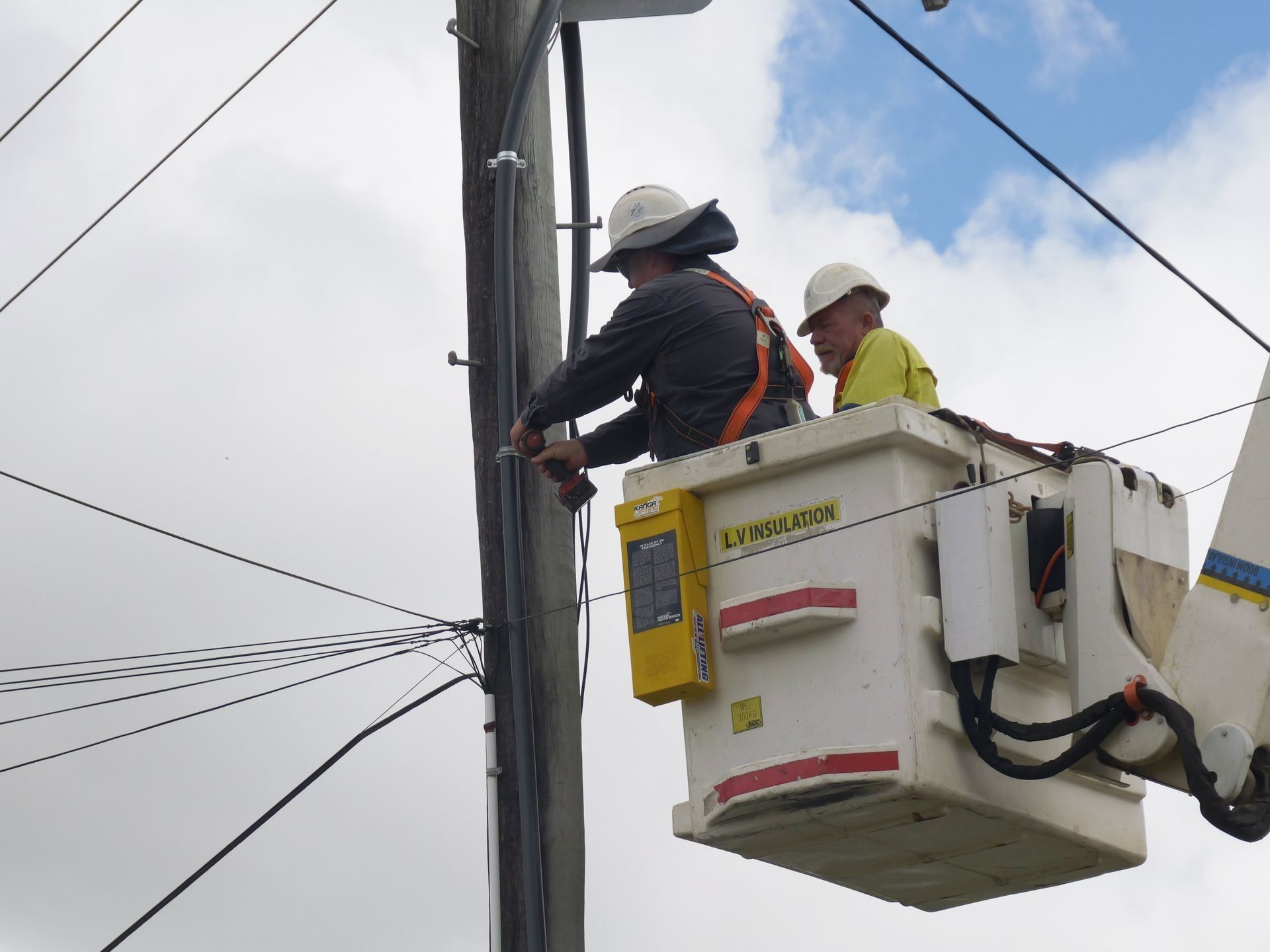
Not all flickering originates inside the property. External factors can also influence how power is delivered, especially during certain conditions. Weather events or broader supply changes can cause temporary fluctuations. These may resolve on their own, but it’s still important to recognise when they occur.
- Storms affecting power supply
- Grid fluctuations
- Nearby electrical work
- Temporary voltage changes
- Intermittent external impact
Short-term changes can happen, but ongoing issues may need further attention. A good electrician in the Northern Rivers will help you understand the difference helps determine the next step.
When Flickering Lights May Point to a Safety Risk
In some cases, flickering lights can indicate something that needs more immediate attention. Certain signs suggest that the issue may go beyond general wear or minor faults. Recognising these early can help reduce the risk of further problems developing. It’s important not to ignore changes that seem unusual or sudden.
- Burning smells
- Heat around fittings
- Sparking or buzzing
- Frequent tripping
- Sudden brightness changes
These signs can point to underlying electrical concerns. Acting early helps prevent the issue from escalating.
Why Professional Electrical Checks Make a Difference
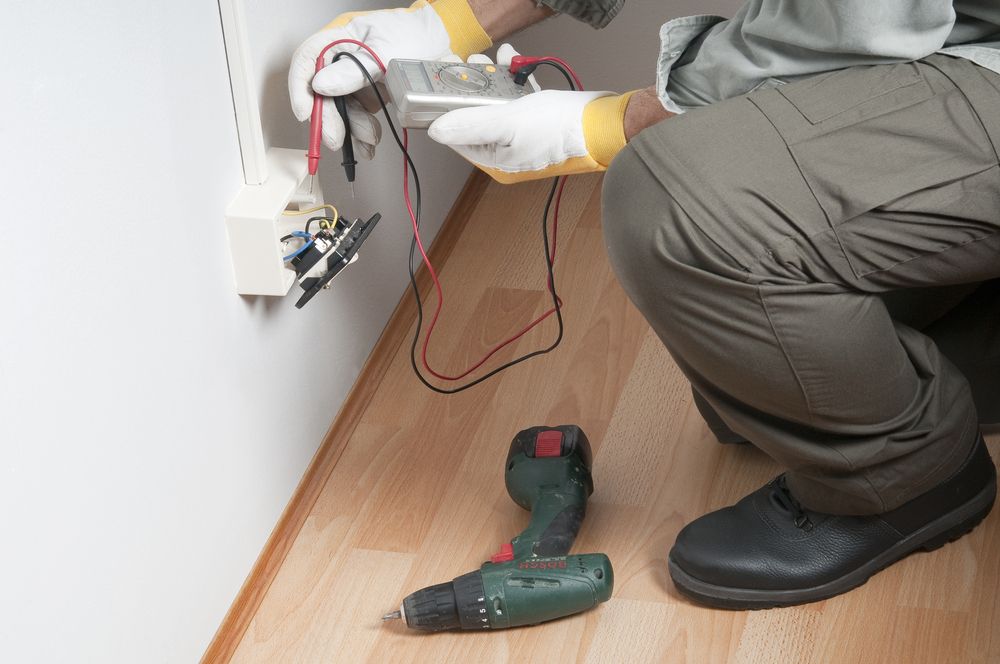
Flickering lights often require more than a quick fix. While some causes may seem simple, identifying the exact issue usually involves checking multiple parts of the system. A professional assessment helps connect the symptoms with the actual source. This allows the issue to be addressed properly rather than temporarily.
- Identifying root causes
- Checking circuits and load
- Inspecting wiring safely
- Testing fittings and connections
- Preventing repeat issues
For an electrician, diagnosing flickering lights is about understanding how the entire system is performing. A proper check helps ensure the issue is resolved clearly and reliably.
Getting It Checked Early Makes a Difference
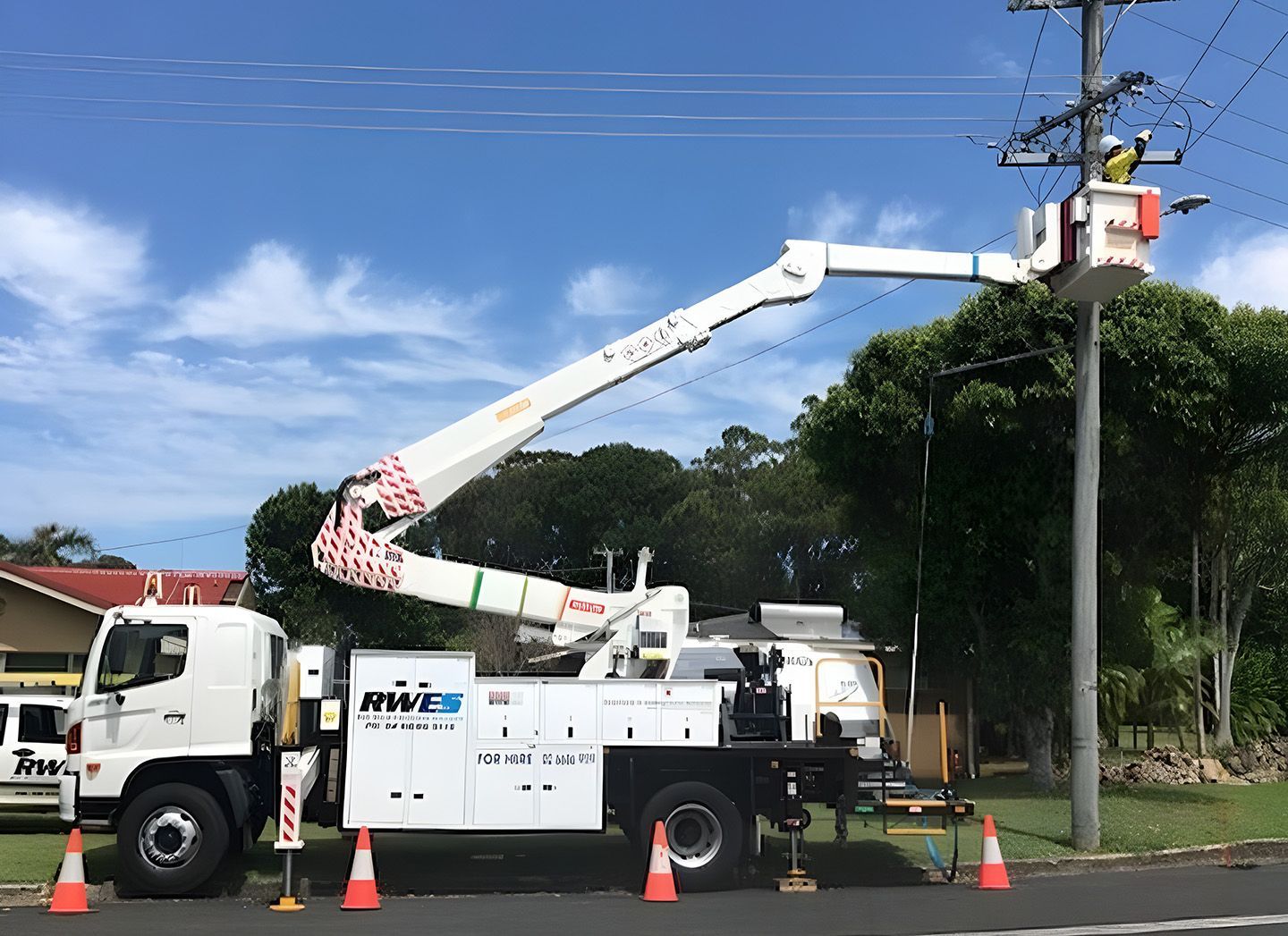
Here at Rob Ward Electrical Services, we work with homes and businesses across Ballina and the Northern Rivers to identify and resolve electrical issues, including flickering lights. If you’ve been wondering what causes lights to flicker or have noticed changes in how your lighting performs, it may be time to have it checked properly.
You can learn more about our services at our website or get in touch and speak to an electrician in the Northern Rivers to organise a professional inspection.