Why Electrical Condition Matters During Property Inspections

Rob Ward Electrical Services • July 22, 2026

The electrical system of a property tells a story that structural inspections alone cannot. A building can look sound on the surface while the wiring behind the walls tells a different tale entirely. That's why having a licensed electrician in Tweed Heads assess the property before settlement has become a standard step for buyers, sellers and landlords across the region.

Why Inspectors Focus on Electrical Condition

Electrical faults rank among the leading causes of house fires and preventable property damage in Australia. Unlike a cracked wall or a leaking tap, electrical problems often stay hidden until something fails, and by then the cost of repair has usually climbed well beyond what early detection would have required.


Inspectors treat the electrical system as a direct indicator of overall maintenance standards. A well-maintained switchboard and compliant wiring suggest a property that's been cared for, while ageing or modified electrical work often points to shortcuts taken elsewhere.


This is also why electrical condition affects resale value, not just safety. Buyers and valuers read a compliant system as a sign of good upkeep, while an old or patched-together one raises questions about what else might have been neglected.

What Electrical Inspectors Typically Check

A thorough electrical assessment covers several distinct areas, each carrying its own set of risks if overlooked.


Inspectors generally look at:


  • Wiring condition: signs of deterioration, exposed conductors or outdated cable types that no longer meet current standards
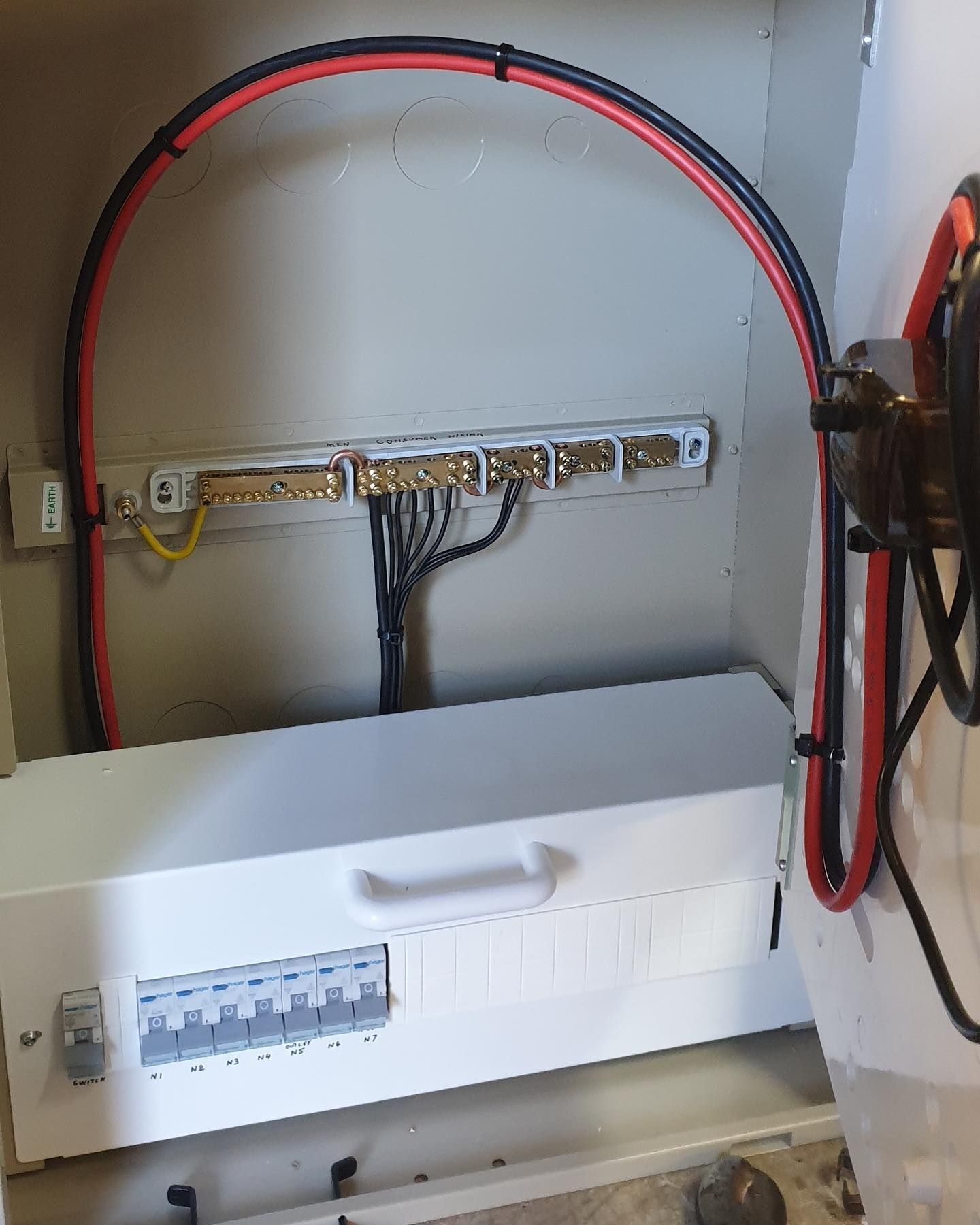
  • Switchboard configuration: whether the board has enough capacity, uses modern components and includes circuit protection
  • Safety switches: the presence and correct placement of residual current devices across relevant circuits
  • Visible defects: loose fittings, scorch marks, damaged outlets or makeshift repairs
  • Evidence of past issues: patched wiring, non-compliant additions or signs of previous fire or water damage near electrical points


An outdated switchboard or missing safety switches is one of the most common red flags raised during a property assessment, and it's often the single factor that turns a promising inspection into a list of required remediation work.


Beyond these visible checks, an experienced electrician will also consider how the system has been modified over time. Properties that have been extended, renovated or converted for different uses often carry electrical work completed under earlier standards, and identifying where those changes sit against current regulations is a key part of a genuine assessment.

How Hidden Electrical Faults Increase Risk

A property can pass a visual inspection and still carry serious electrical risk. Faults inside wall cavities, roof spaces or beneath flooring rarely announce themselves until something goes wrong.


Common signs of a hidden fault include:


  • Repeated circuit trips: a breaker that trips regularly under normal household use
  • Warm switches or outlets: heat at a switch or power point that shouldn't be there
  • Unexplained burning smells: a sign of overheating wiring or components behind walls
  • Flickering lights: often linked to loose connections or an overloaded circuit


This is where the gap between structural condition and electrical condition becomes clear. A building might have solid foundations and a recent roof restoration, yet still carry wiring installed decades ago under standards that no longer apply. Buyers who rely solely on a building inspection can miss these issues entirely, since general building inspectors are not licensed to assess electrical systems in the same depth as a qualified electrician.


As an example, a property that presents beautifully during an open home, freshly painted with polished floors, can still be running on original wiring from a renovation completed thirty years ago. Without a dedicated electrical check, that detail simply doesn't surface until after settlement, when the cost and inconvenience of fixing it fall entirely on the new owner.

Why Switchboards Are a Common Point of Concern

Switchboards sit at the centre of every property's electrical system, distributing power safely to every circuit in the building. When a board is outdated, overloaded or missing modern safety features, it becomes one of the first things flagged during an inspection.


Warning signs of a failing switchboard include:


  • Frequent trips: circuits cutting out under everyday use, not just during storms or surges
  • Burning smells near the board: a sign of overheating components inside
  • Visible scorching: marks on switches, fuses or the board itself
  • Buzzing or crackling sounds: an indication of loose or failing connections


Property owners can learn the warning signs your switchboard is overloaded before an inspection flags it, which allows repairs to happen on their own terms rather than under pressure during a sale.


Older switchboards were often installed to handle a fraction of the electrical load that modern households now demand. Air conditioning, electric vehicle charging and home entertainment systems all place additional strain on a board that may never have been designed for that level of use, which is exactly why capacity and compliance are assessed together rather than in isolation.

What Buyers, Sellers and Landlords Should Do Before an Inspection

Addressing electrical concerns early gives every party more control over the outcome. Sellers who arrange an assessment ahead of listing can resolve issues quietly, without the pressure of a looming settlement date. Buyers who request an electrical check alongside a standard building inspection gain a clearer picture of what they're actually purchasing. Landlords benefit from the same approach, since electrical compliance directly affects tenant safety and insurance standing.


A pre-inspection electrical check typically involves:


  • Reviewing the switchboard: confirming it meets current safety standards and has adequate capacity
  • Testing safety switches: verifying they function correctly across all relevant circuits
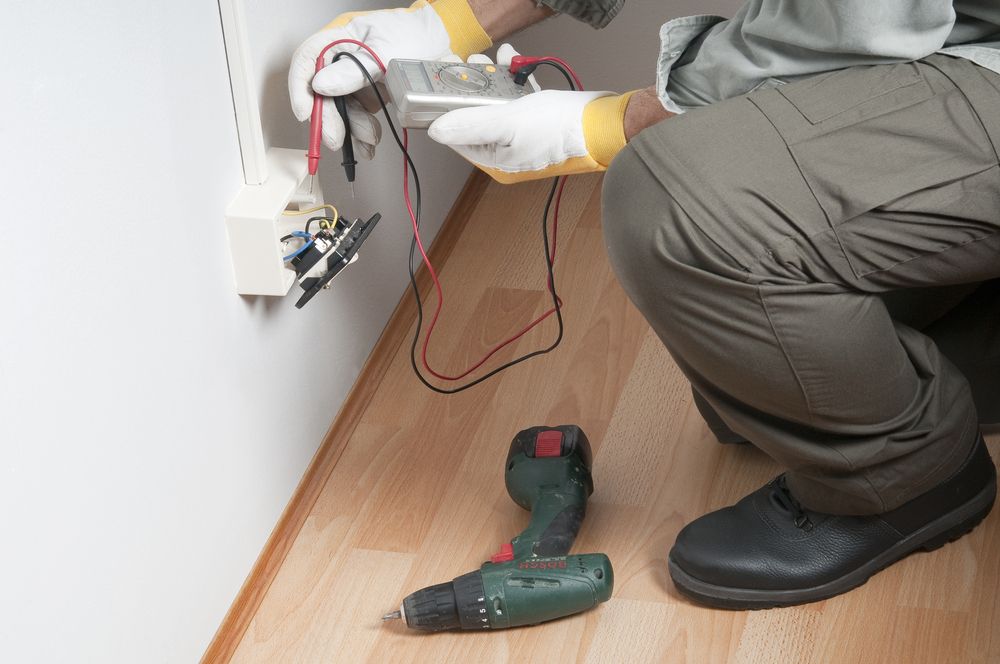
  • Inspecting visible wiring: checking outlets, fittings and accessible cabling for wear or damage
  • Documenting findings: providing a clear report that can support negotiations or insurance requirements


Arranging a check with an experienced electrician in Tweed Heads before the property goes to market gives sellers more control over timing and cost, rather than reacting to issues raised during a buyer's formal inspection.


For landlords in particular, a documented electrical assessment also supports ongoing compliance obligations under residential tenancy legislation, giving property managers a clear record to refer back to at each lease renewal.

Why Early Electrical Assessment Prevents Costly Setbacks

Electrical defects discovered during a formal inspection can derail a sale entirely. Addressing electrical issues before the property goes to market removes much of this uncertainty.


Early assessment typically helps avoid:


  • Buyer withdrawal: walking away from a deal once significant faults surface
  • Finance delays: lenders hesitating to finalise approval over safety concerns
  • Price renegotiation: buyers pushing for reductions that exceed the actual repair cost
  • Post-settlement disputes: disagreements over who should have disclosed what, and when


Landlords face a similar set of risks, just from a different angle. Unresolved electrical faults can affect:


  • Insurance standing: claims may be challenged or denied if a property is found non-compliant at the time of an incident
  • Tenant safety obligations: electrical maintenance isn't optional under most residential tenancy requirements
  • Ongoing liability: unresolved faults can leave landlords exposed if an issue causes harm or damage


A proactive approach protects both the investment and the people living in the property. Prevention is almost always cheaper than a failed inspection. A switchboard upgrade or safety switch installation completed on a seller's own schedule is far more manageable than the same work rushed through under pressure days before settlement.

Get Your Property's Electrical System Checked

Whether you're buying, selling or managing a rental property, understanding the electrical condition early puts you in a stronger position.


Rob Ward Electrical Services is a trusted electrician in Tweed Heads. We provide thorough electrical assessments for properties throughout the region, helping clients identify issues before they affect a sale, lease or insurance outcome. Reach out to arrange an inspection ahead of your next property transaction.

Frequently Asked Questions

  • Does a standard building inspection cover electrical safety?

    Standard building inspections generally assess structural elements and visible defects, but they do not replace a dedicated electrical assessment. A licensed electrician checks wiring, switchboards and safety switches to a level of detail that building inspectors are not qualified to provide.

  • What happens if an inspection flags an electrical fault?

    The outcome depends on the severity of the fault. Minor issues may simply require disclosure, while significant faults can lead to renegotiation, delayed settlement or a requirement that repairs be completed before the sale proceeds.

  • How often should a property's electrical system be checked?

    Older properties benefit from periodic checks even outside of a sale or lease event, since wiring and switchboards degrade gradually over time. A pre-sale or pre-purchase check is a practical opportunity to catch issues that may not yet be visible.

  • Can outdated wiring affect insurance cover?

    Yes. Insurers may query claims linked to non-compliant electrical systems, and some policies include specific requirements around switchboard standards and safety switch installation.

  • Is it worth fixing electrical issues before listing a property?

    In most cases, yes. Resolving electrical concerns before listing avoids last-minute negotiation pressure and gives sellers control over the timing and cost of repairs.

An Electrician In Lismore Installing Electrical Wiring
By Rob Ward Electrical Services July 9, 2026
Three-phase vs single-phase power: discover what rural properties actually need and when to call an electrician in Lismore. Read our blog today!
Utility Truck Repairing Power Lines During Northern Rivers Outage Preparation
By Rob Ward Electrical Services May 14, 2026
Stay prepared for outages with a trusted electrician across the Northern Rivers — including Lismore, Tweed Heads, Ballina and Byron Bay. Call us.
Electrical Maintenance Crew Servicing Power Lines With Boom Lifts
By Rob Ward Electrical Services May 7, 2026
Keep operations running smoothly with a trusted electrician in Tweed Heads. Contact us today for dependable industrial electrical maintenance.
Modern Ceiling with Multiple Lights
By Rob Ward Electrical Services April 2, 2026
Fix flickering lights before they become a hazard. Discover causes and solutions from an electrician in Northern Rivers. Book an inspection today.
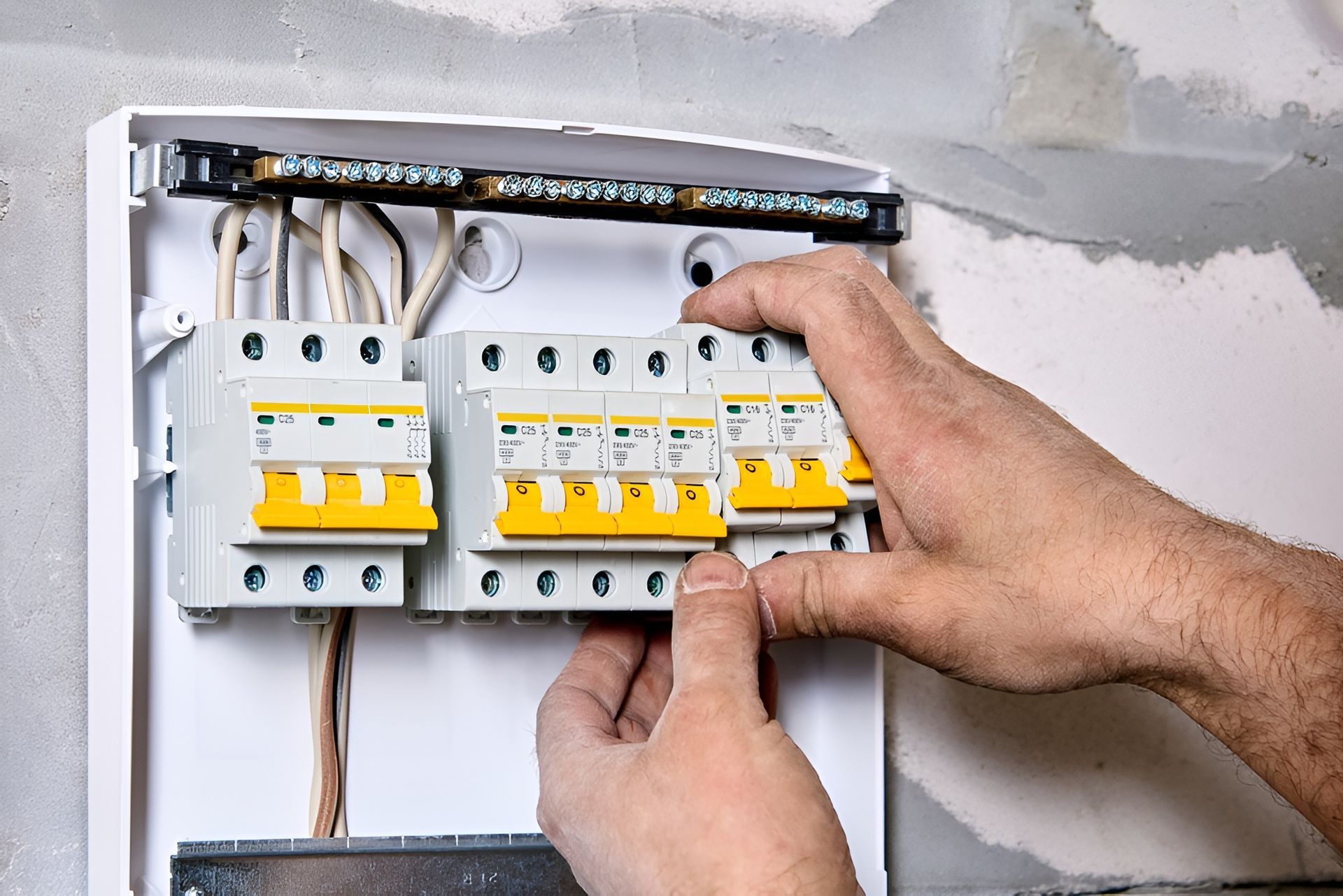
Electrician working on fuse box
April 2, 2026
Learn what causes circuit breakers to trip. Discover common electrical issues, safety risks and when to call electricians in Byron Bay for reliable help.
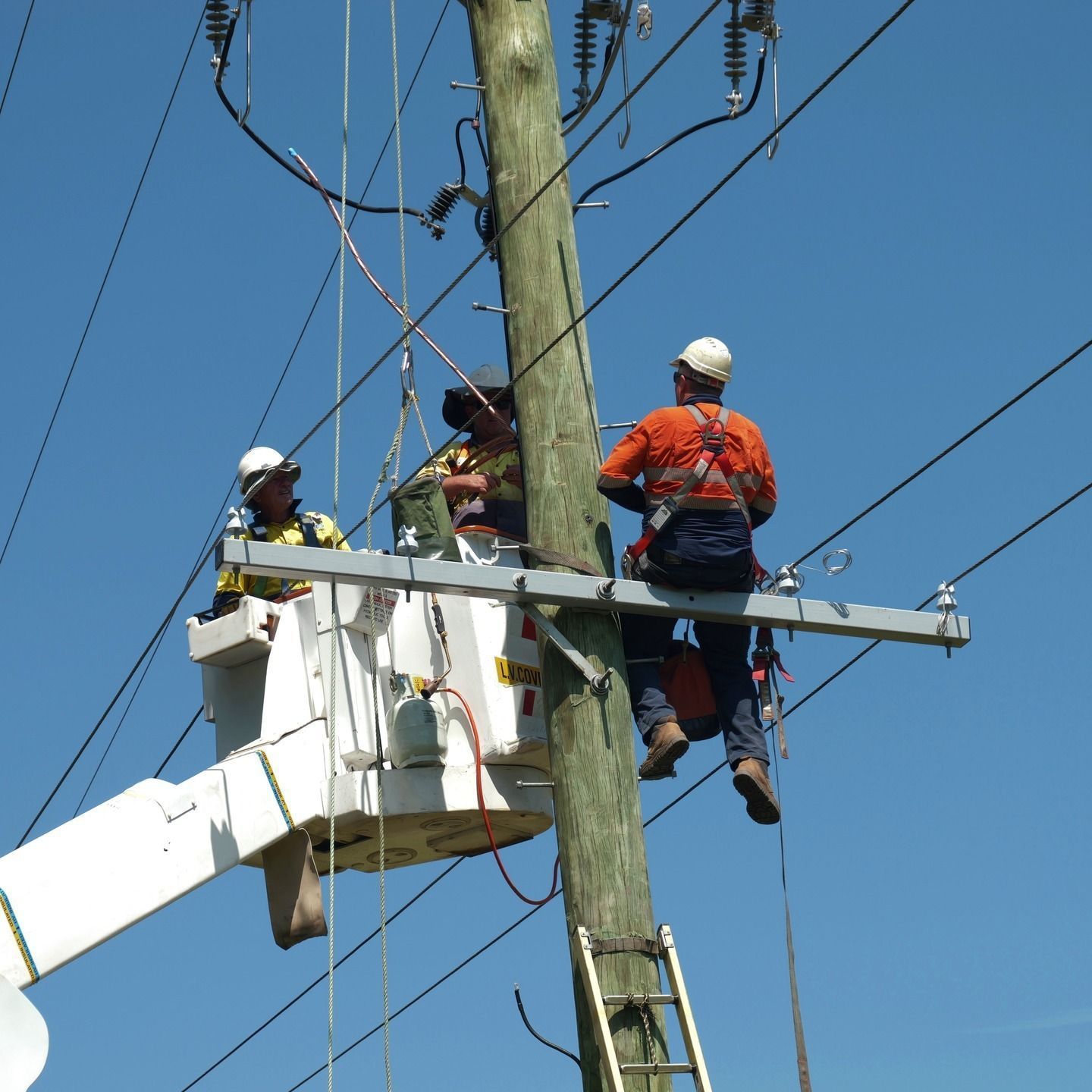
Three Utility Workers in Hard Hats and Safety Gear Work — Rob Ward Electrical Services in West Ballina, NSW
March 16, 2026
Learn common electrical safety risks in older properties and how an electrician in Tweed Heads can help protect your home. Read the guide today.
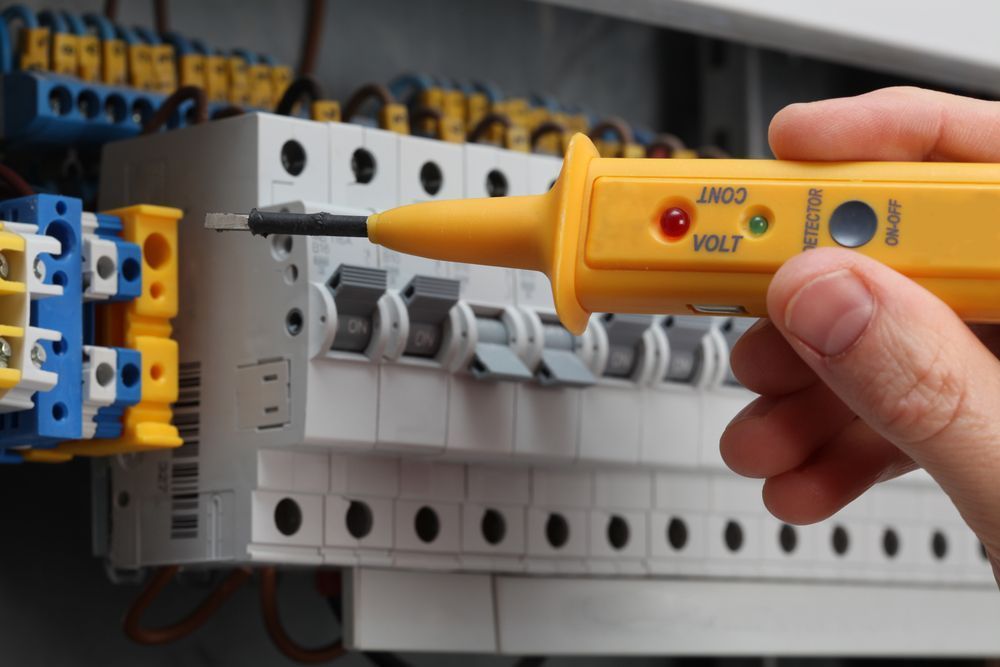
A Hand Uses a Yellow Voltage Tester to Check a Circuit Breaker — Rob Ward Electrical Services in West Ballina, NSW
March 9, 2026
Why fuses blow and what to do next. Get safe solutions from experienced electricians in Lismore. Read the guide and restore power safely today.
A Technician Wearing a Blue Uniform Uses a Yellow Digital Multimeter — Rob Ward Electrical Services in West Ballina, NSW
February 23, 2026
Learn how to choose a professional electrician in Tweed Heads, with tips on licensing, insurance and why you should hire electrician services locally.
A Person Uses a Digital Multimeter to Test Electrical Wiring — Rob Ward Electrical Services in West Ballina, NSW
January 5, 2026
Learn what happens in an electrical safety inspection and how to prepare. Get expert guidance from electricians in Lismore. Read more today.
A Worker Installs Led Strip Lighting Along the Edge of Wooden Staircase — Rob Ward Electrical Services in West Ballina, NSW
December 29, 2025
Learn what happens during an electrical safety inspection and why it matters. Electricians in Lismore explain the process. Book an inspection today.
Show More